Published : 2026-11-10
Cement binds cities together. At Huaxin 1907 Cultural Park in Huangshi, it also inspires coffee and ice cream, turning industrial heritage into edible local creations.
Founded in the late Qing dynasty, the former cement factory supplied landmark projects including Beijing's Great Hall of the People and the Wuhan Yangtze River Bridge.
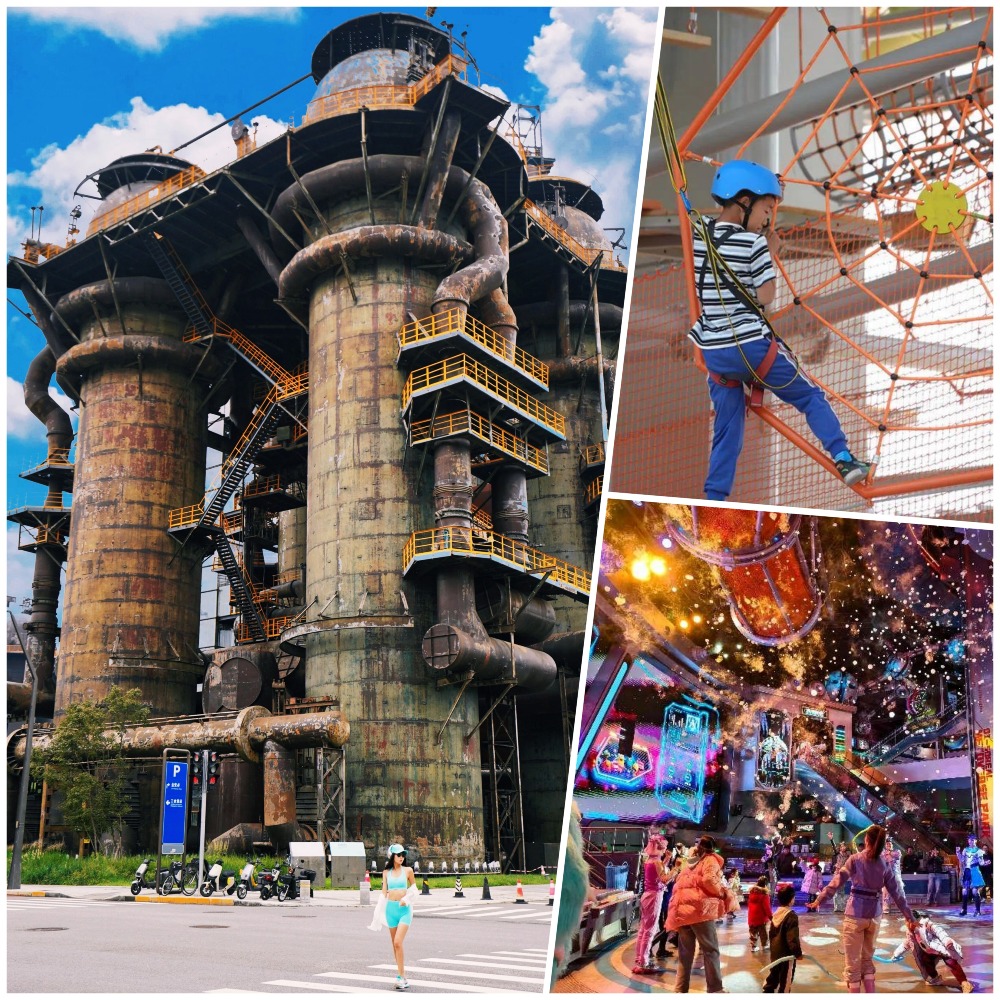
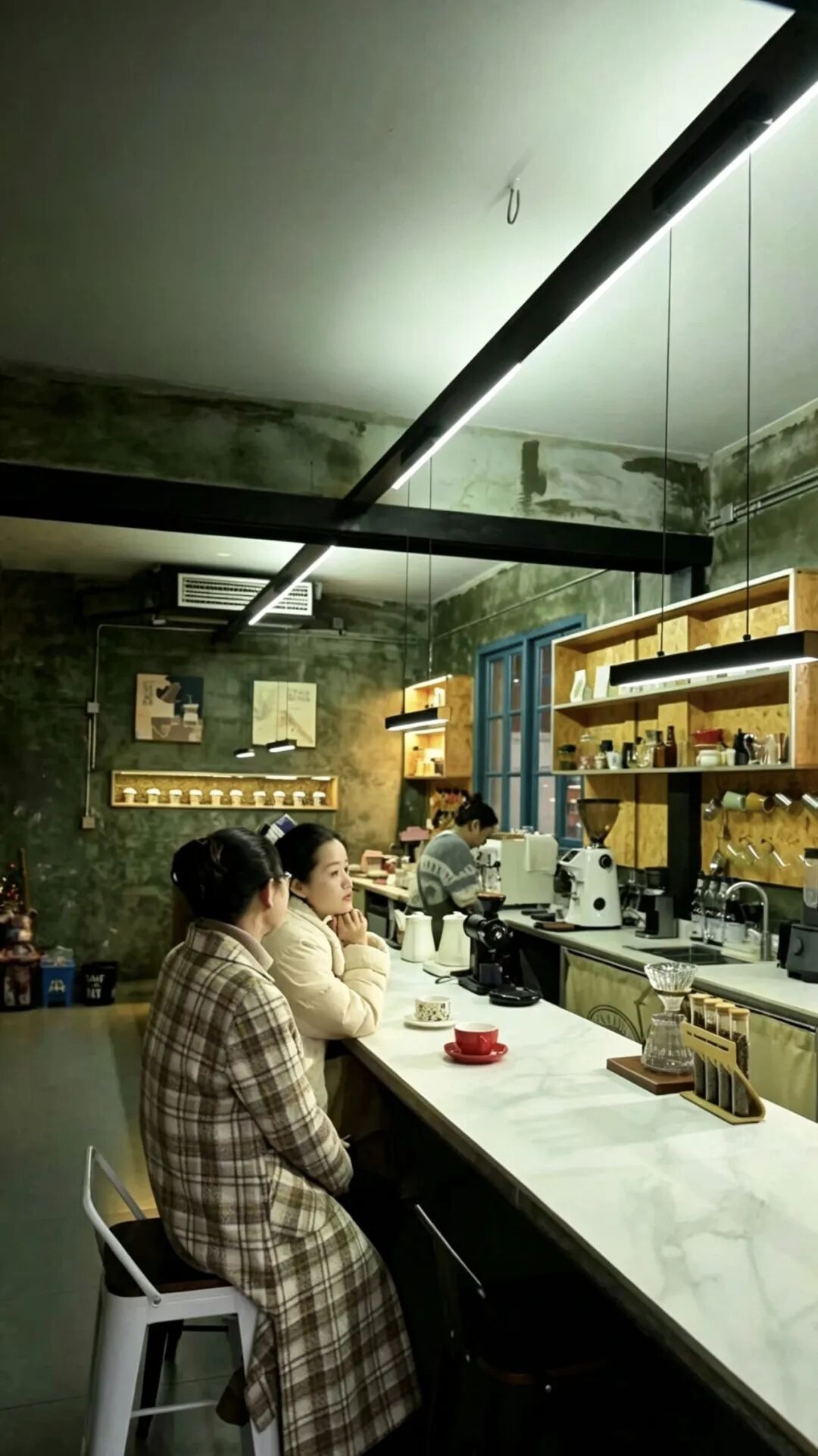
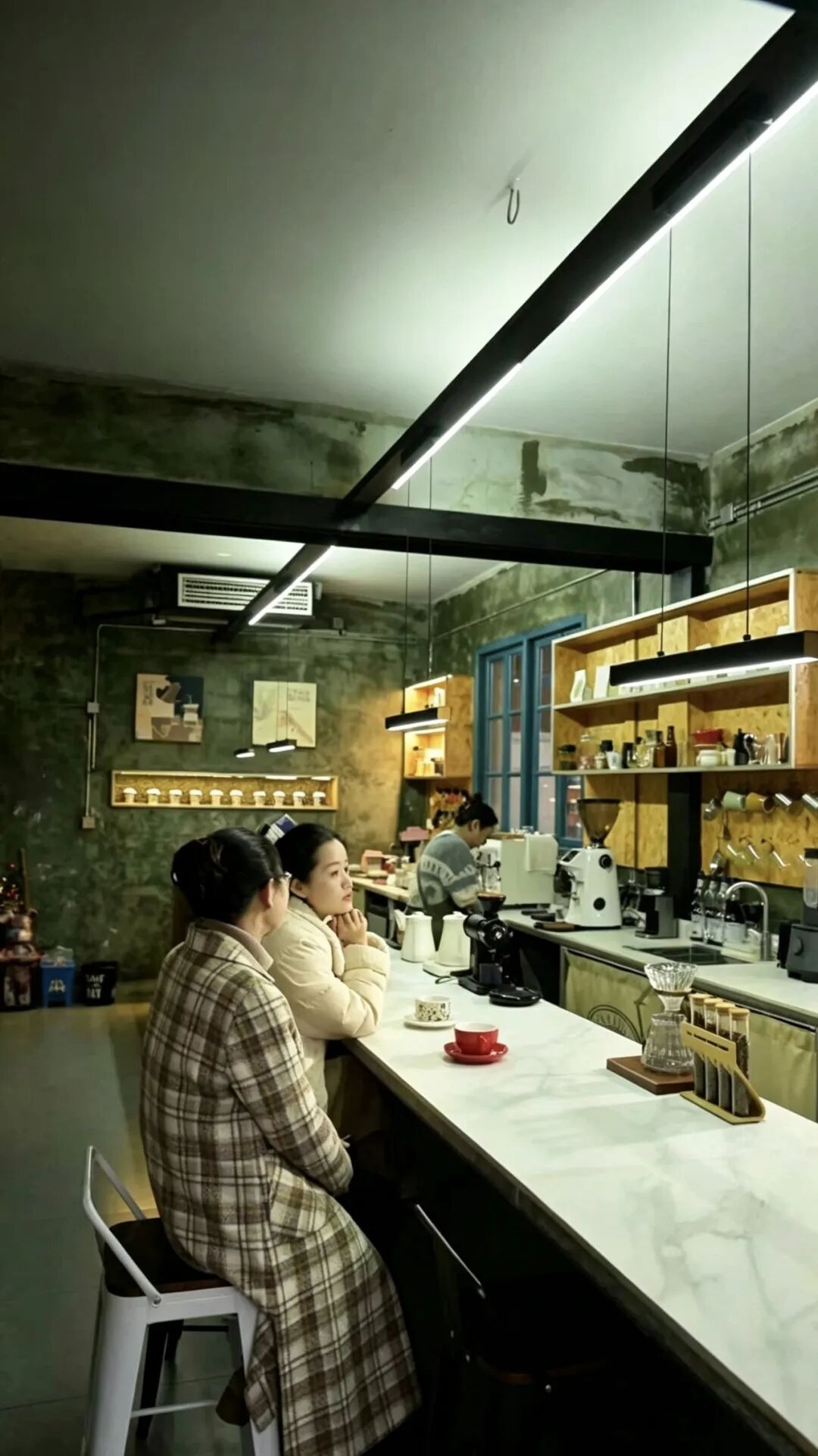
Today, bars, boutique cinemas and trendy cafés fill its old warehouses. Reborn as a world-class industrial heritage site, it continues to bind the city together—connecting communities and celebrating Huangshi's industrial past.
The World's only complete wet-process cement production site
Just half an hour from Wuhan by high-speed rail, Huangshi in Hubei province is a cradle of modern Chinese industry.
It is home to Huangshi National Mine Park, formerly the Daye Iron Mine and famed for a vast open pit dubbed "Asia's largest", and the former Huaxin Cement Factory.
Originally known as the Daye Hubei Cement Factory, the latter was once praised by Chairman Mao as "the finest in the Far East".
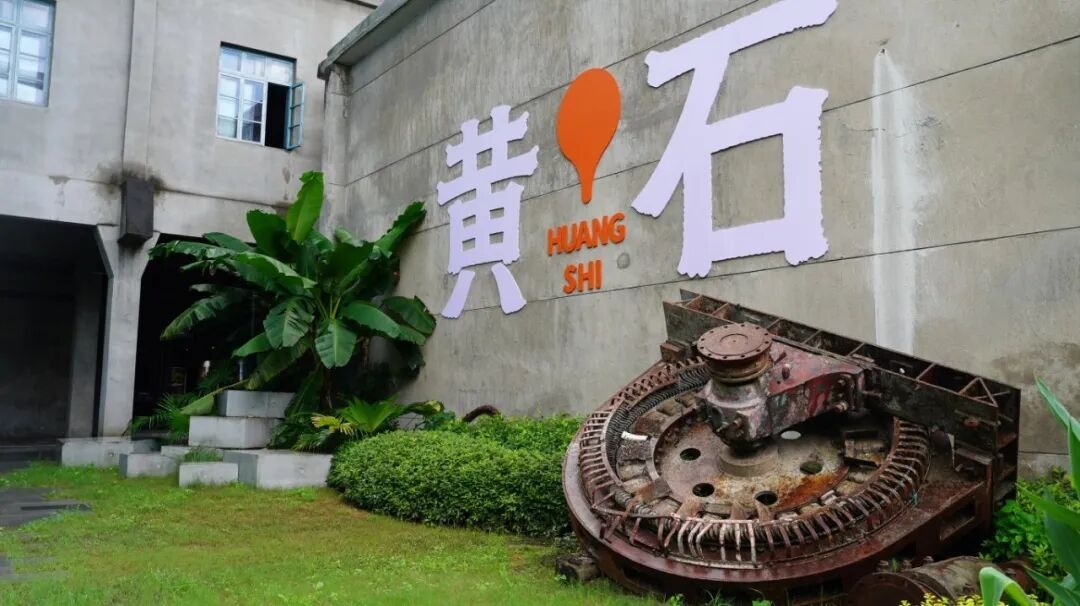
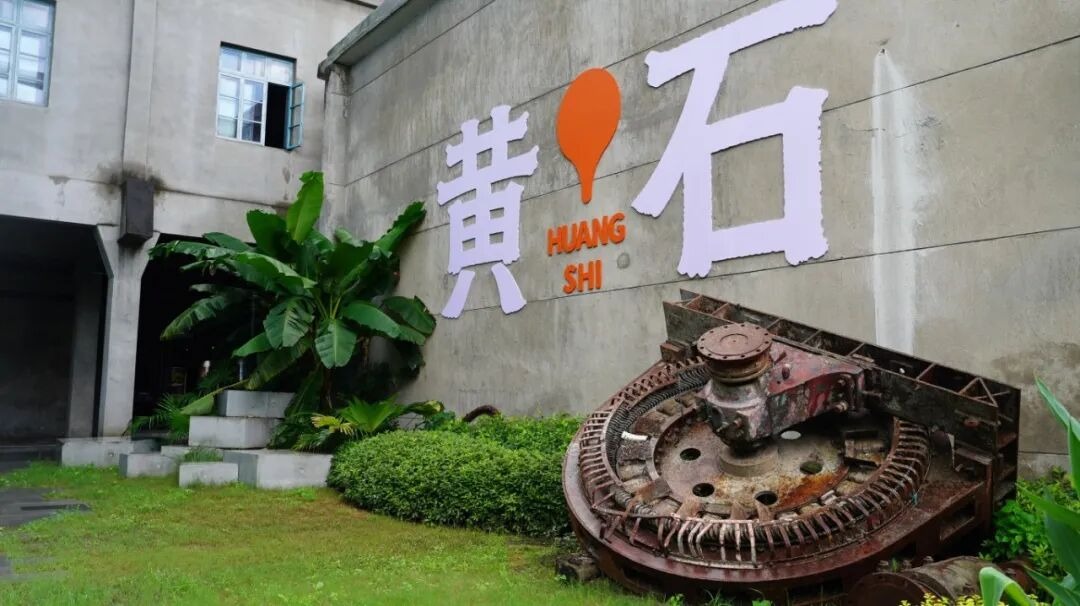
Now reborn as Huaxin 1907 Cultural Park, the factory is the world's only surviving complex to preserve the entire wet-process cement production system—a treasure trove and enduring testament to Huangshi's industrial history.
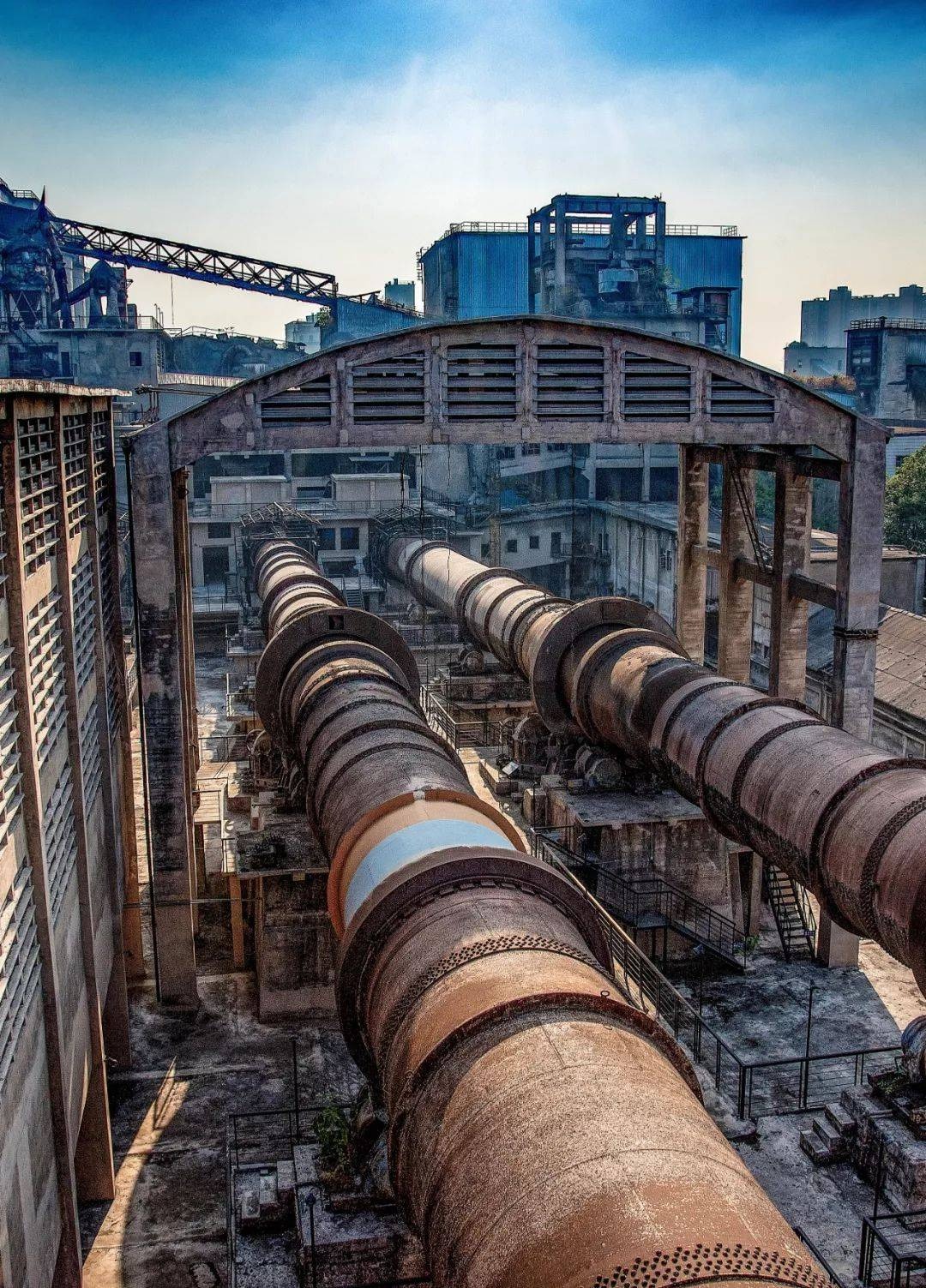
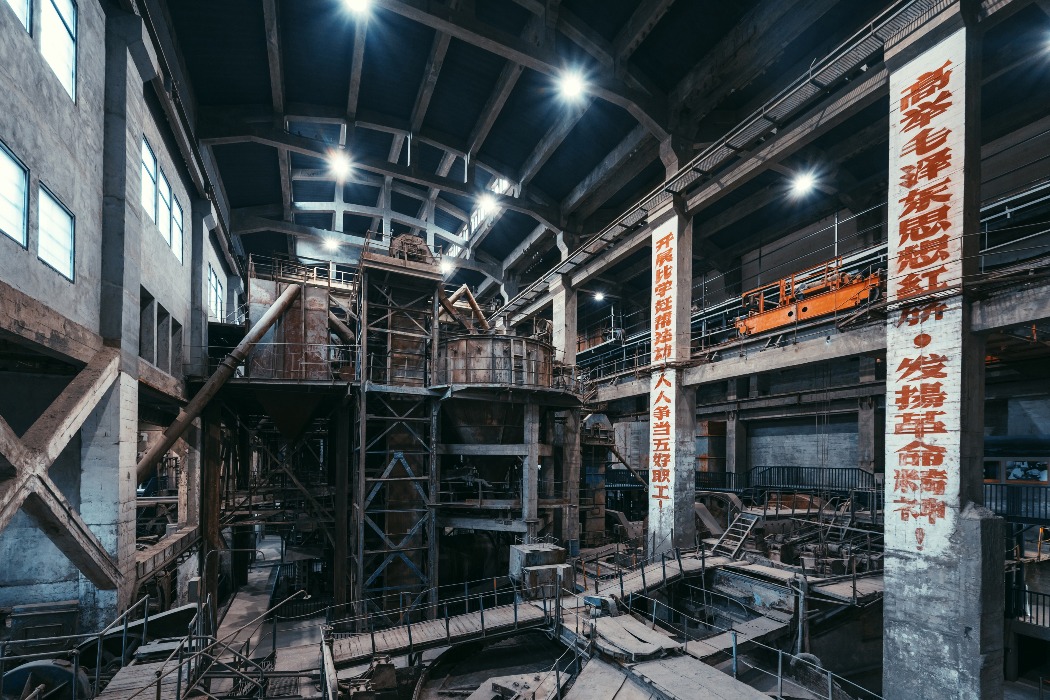
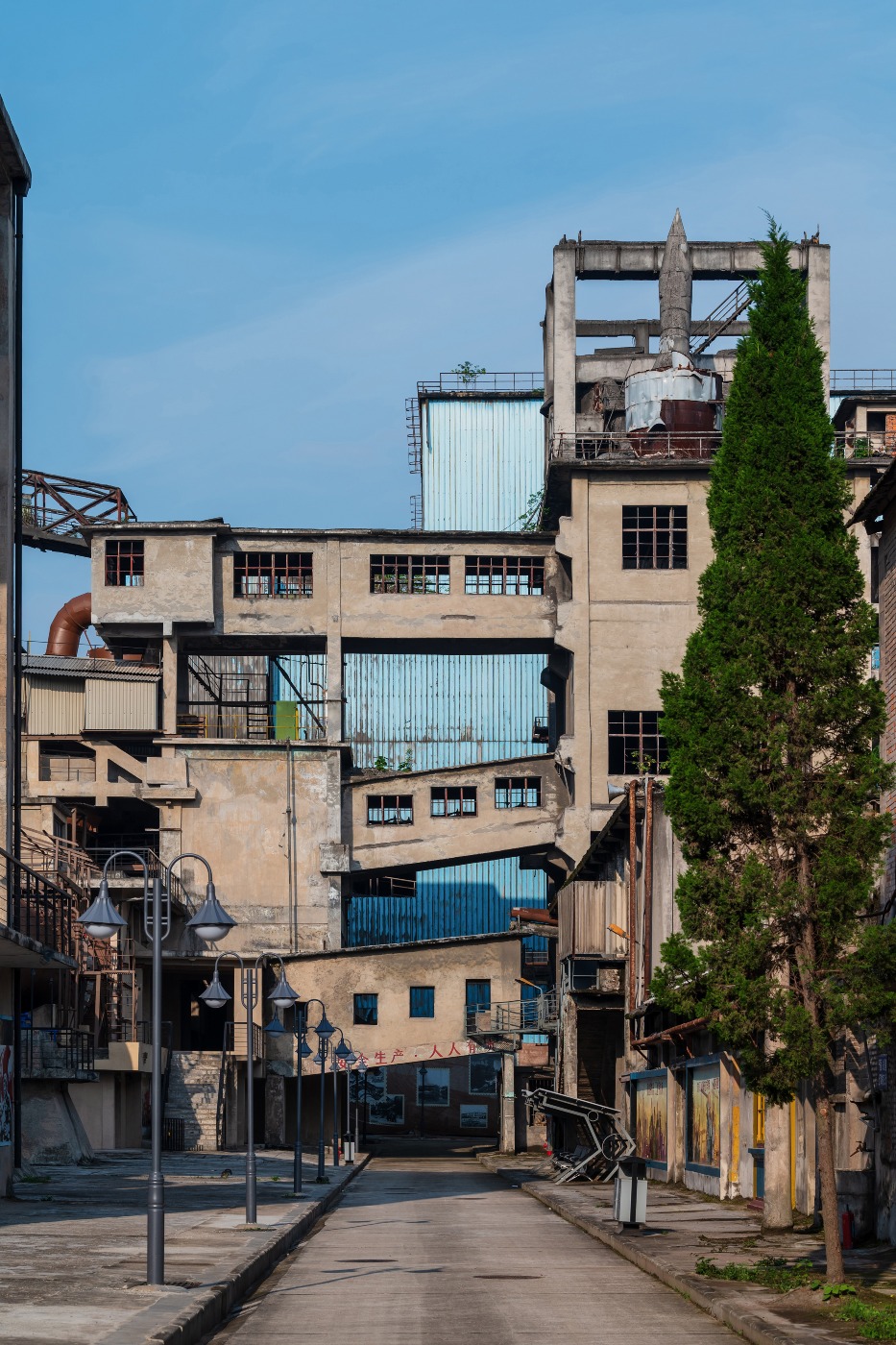
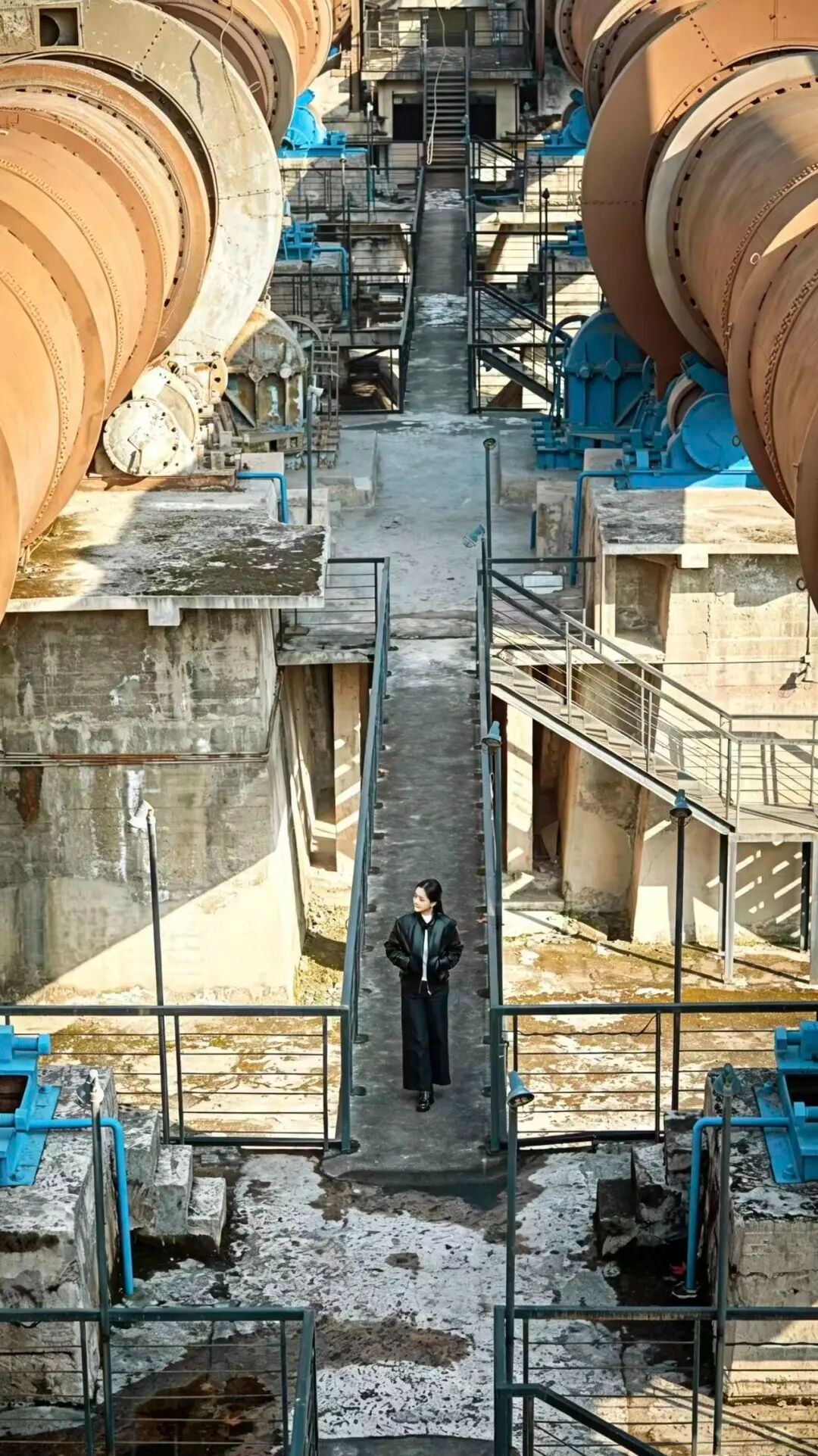
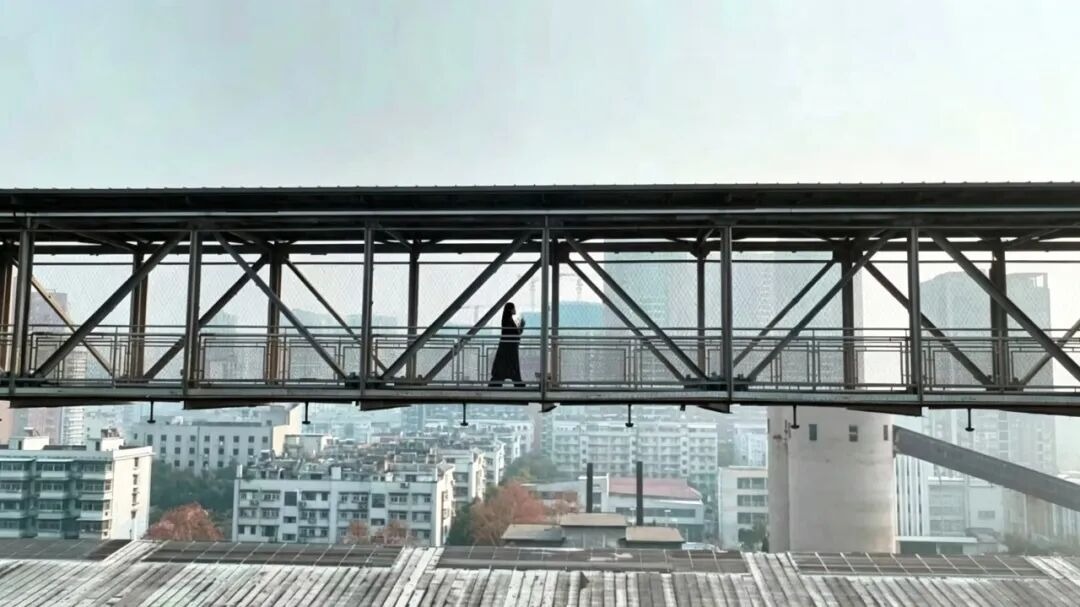
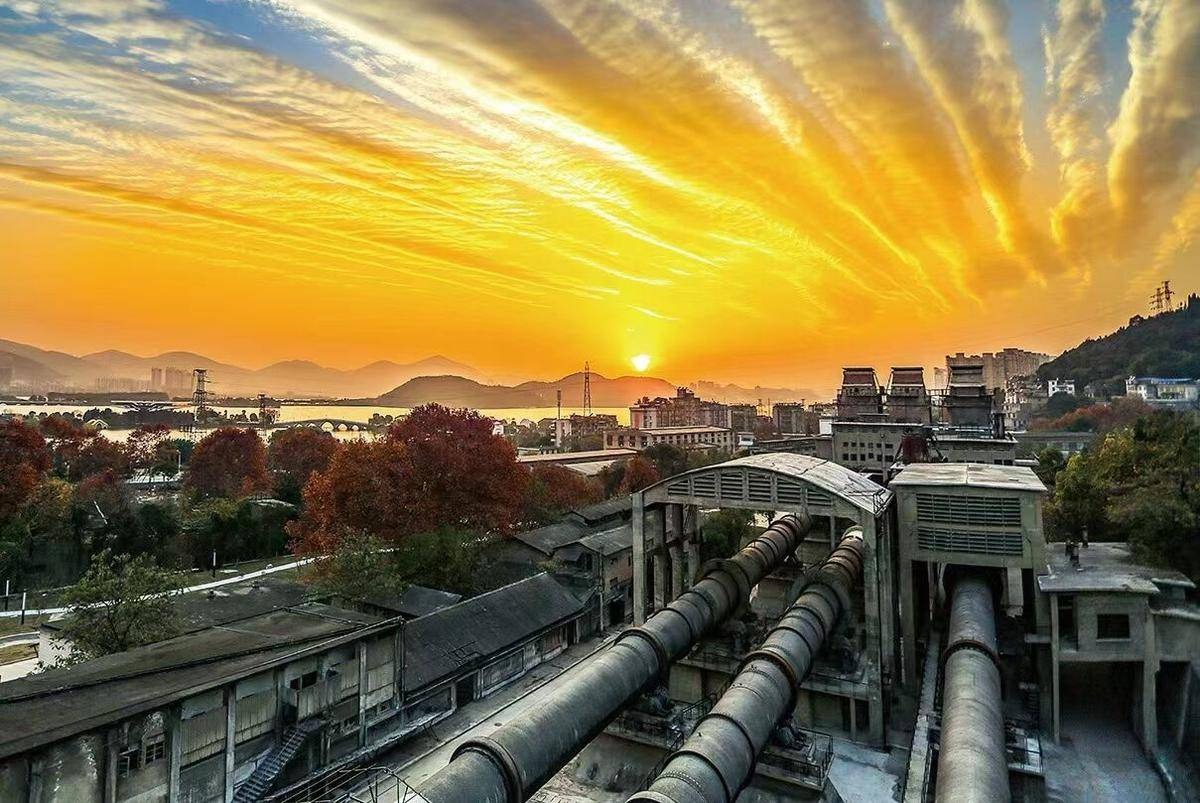
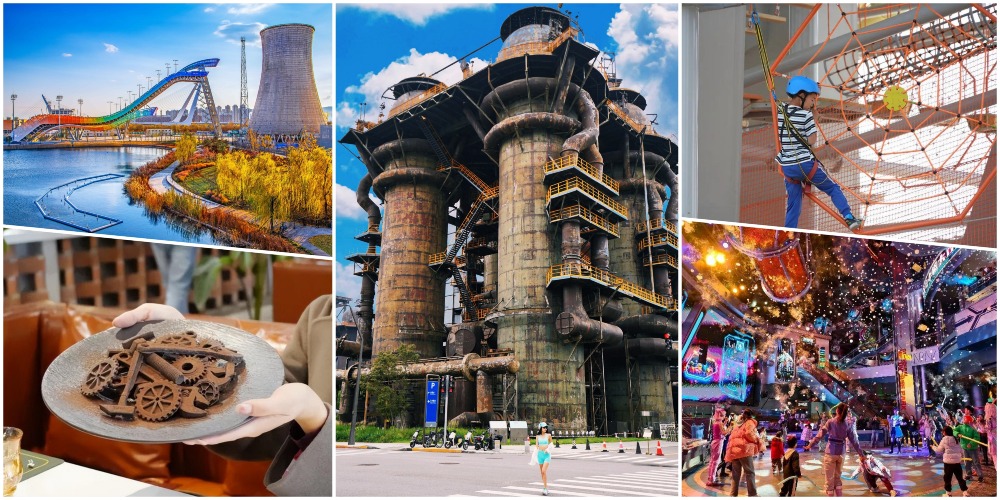
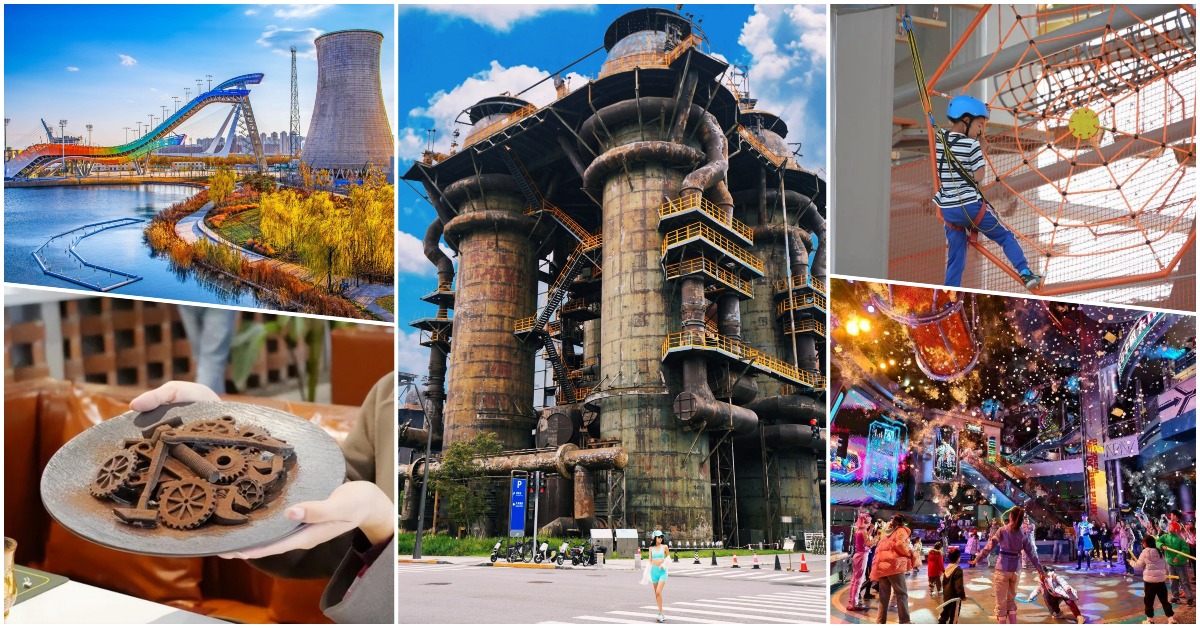
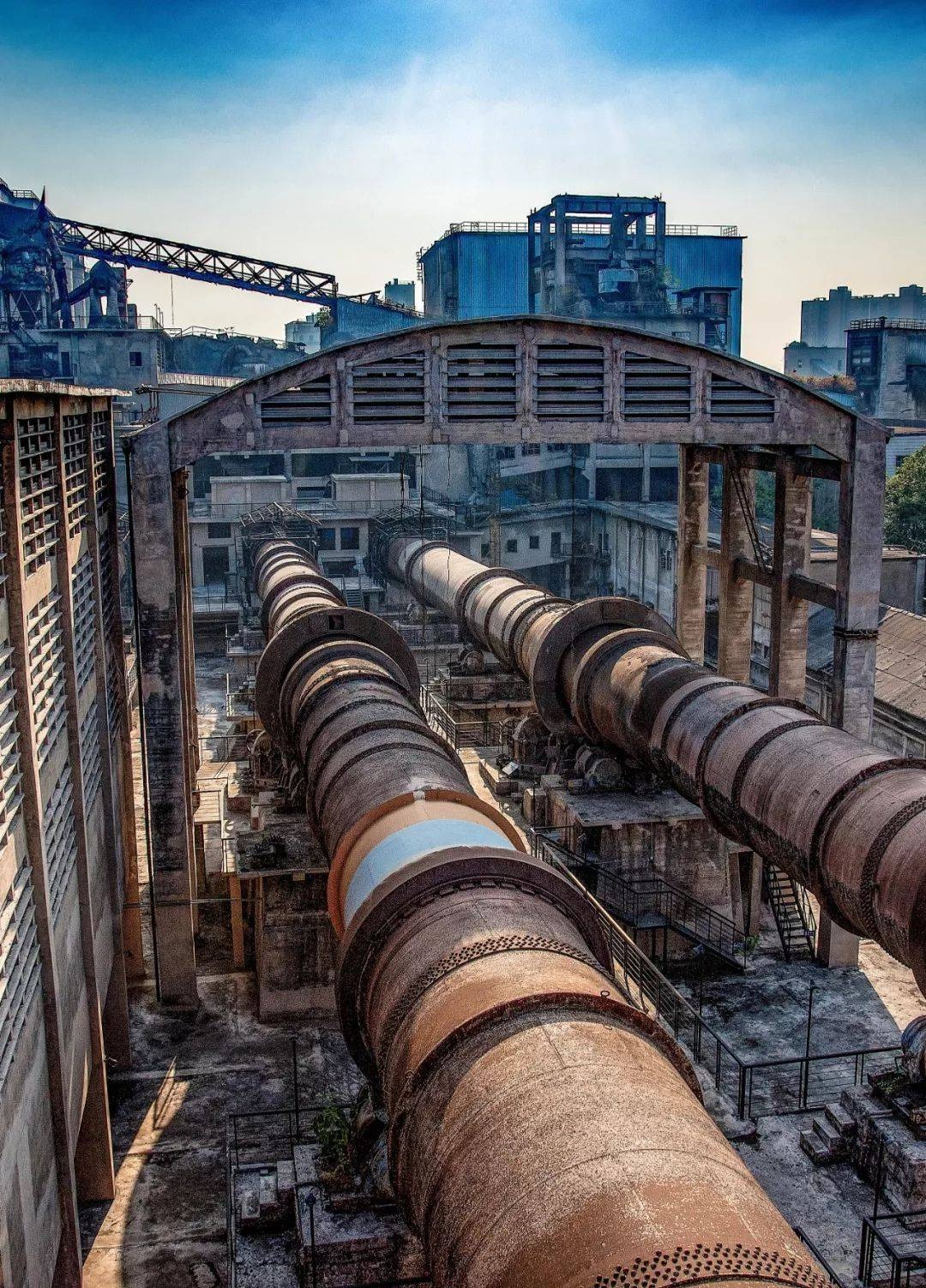
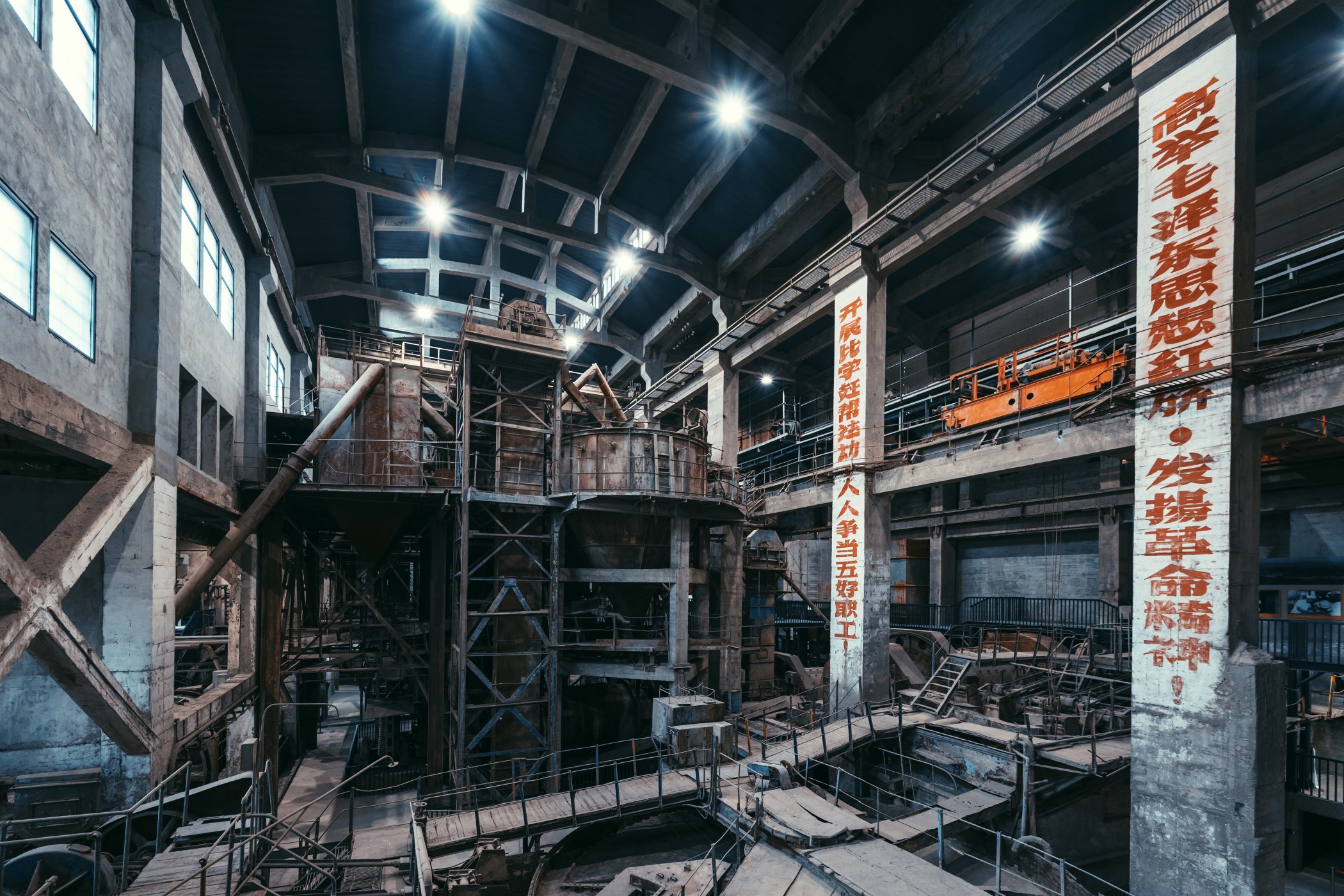
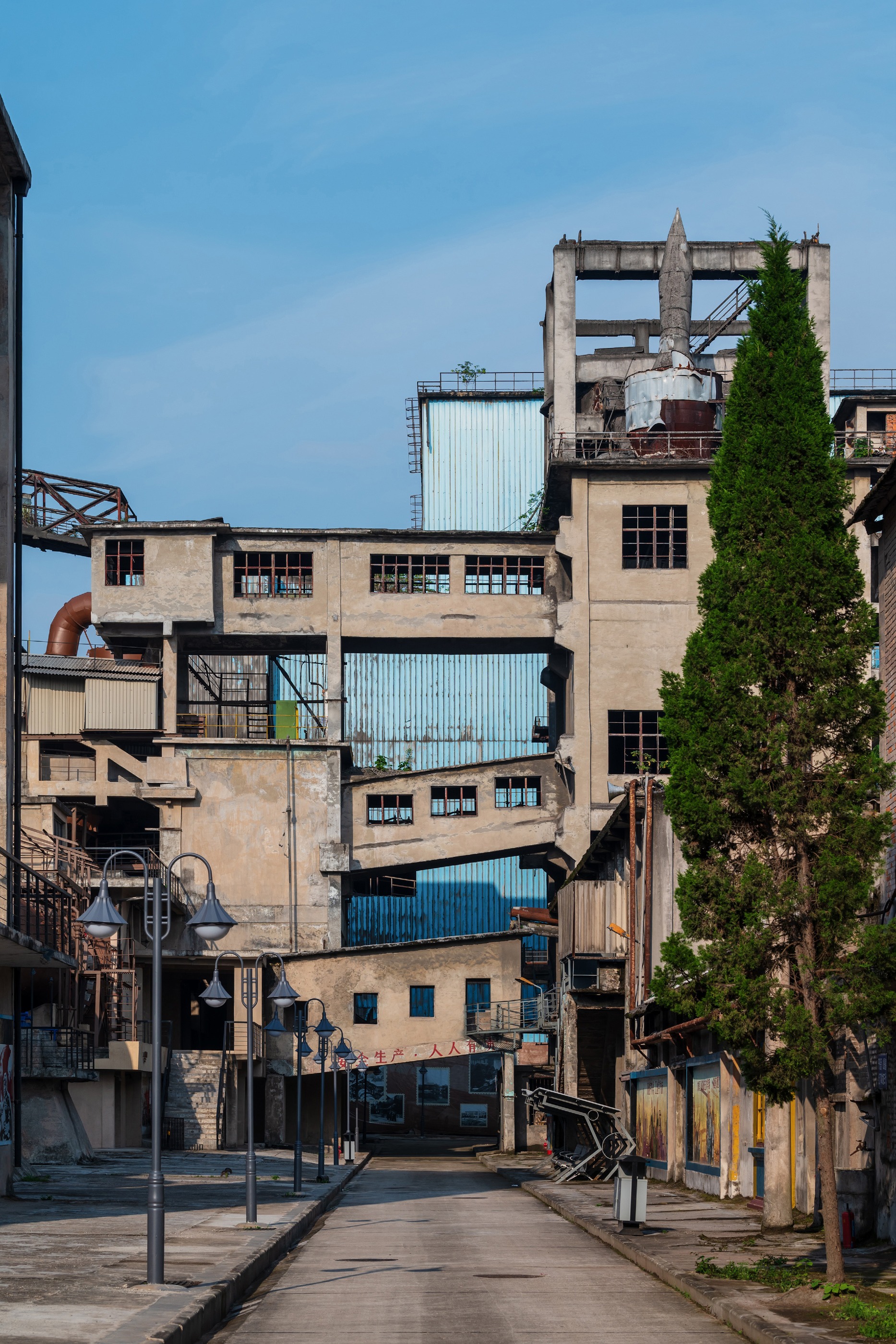
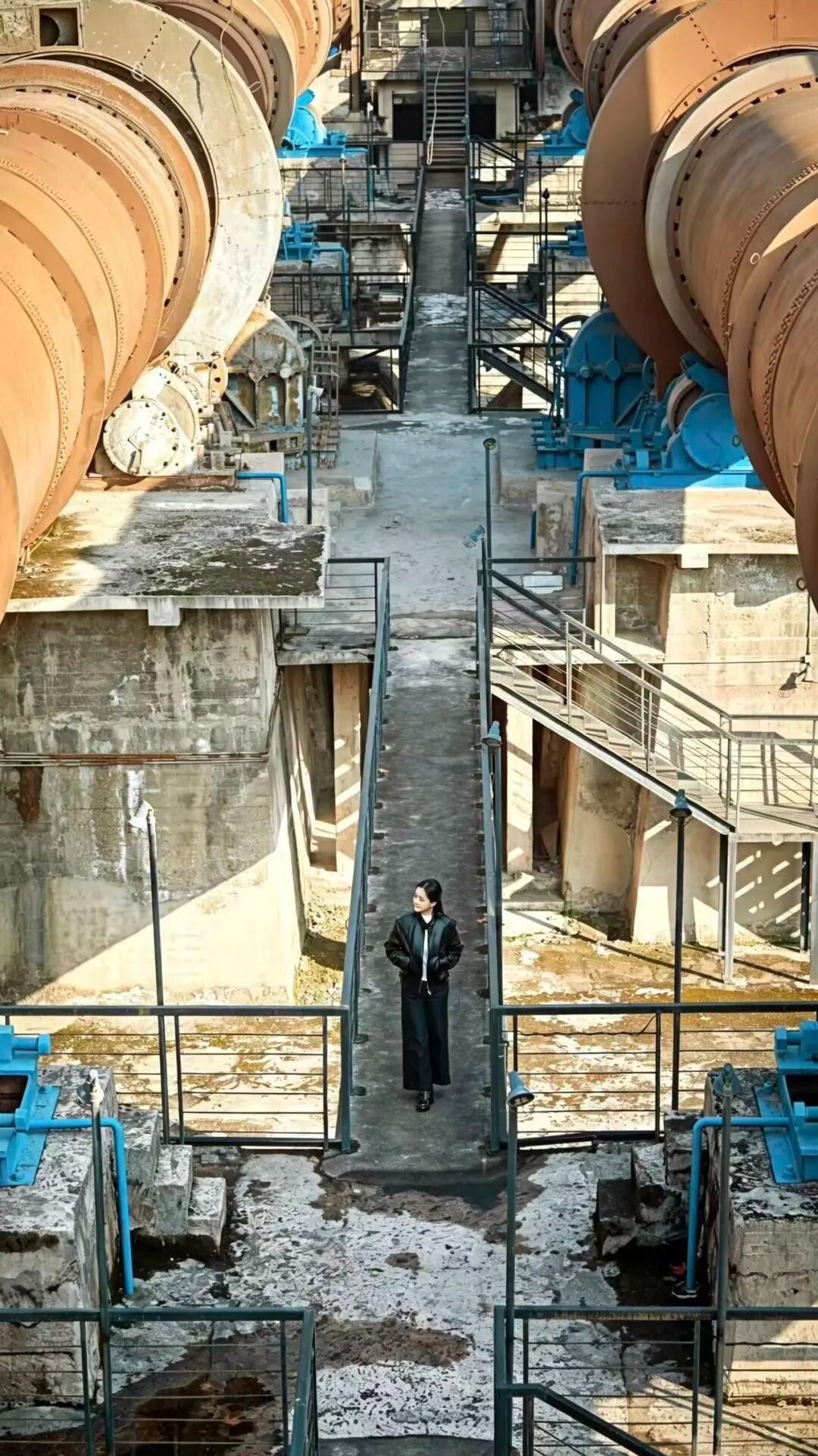
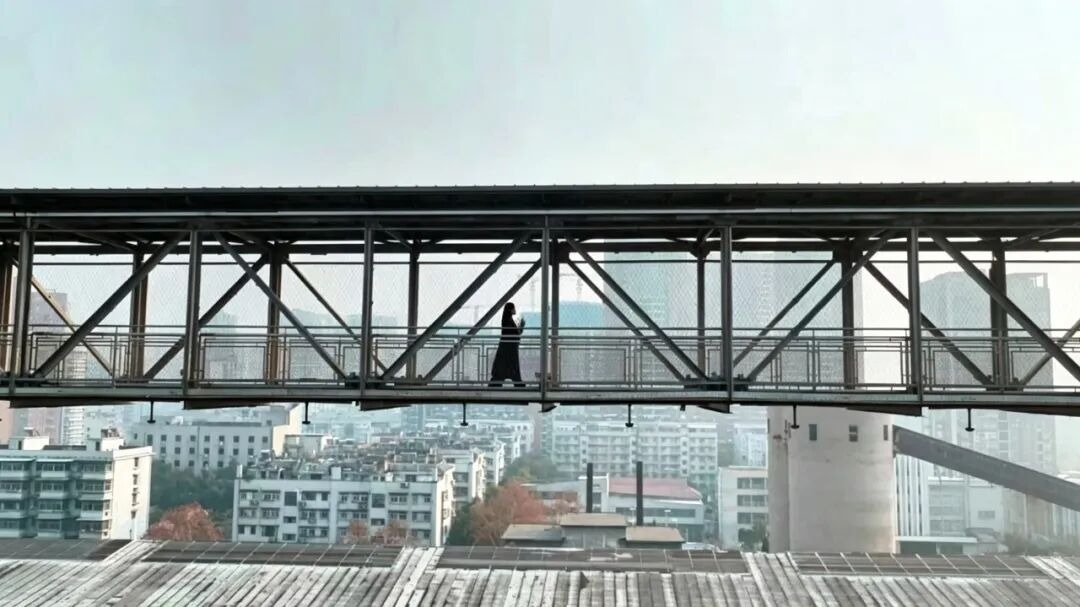
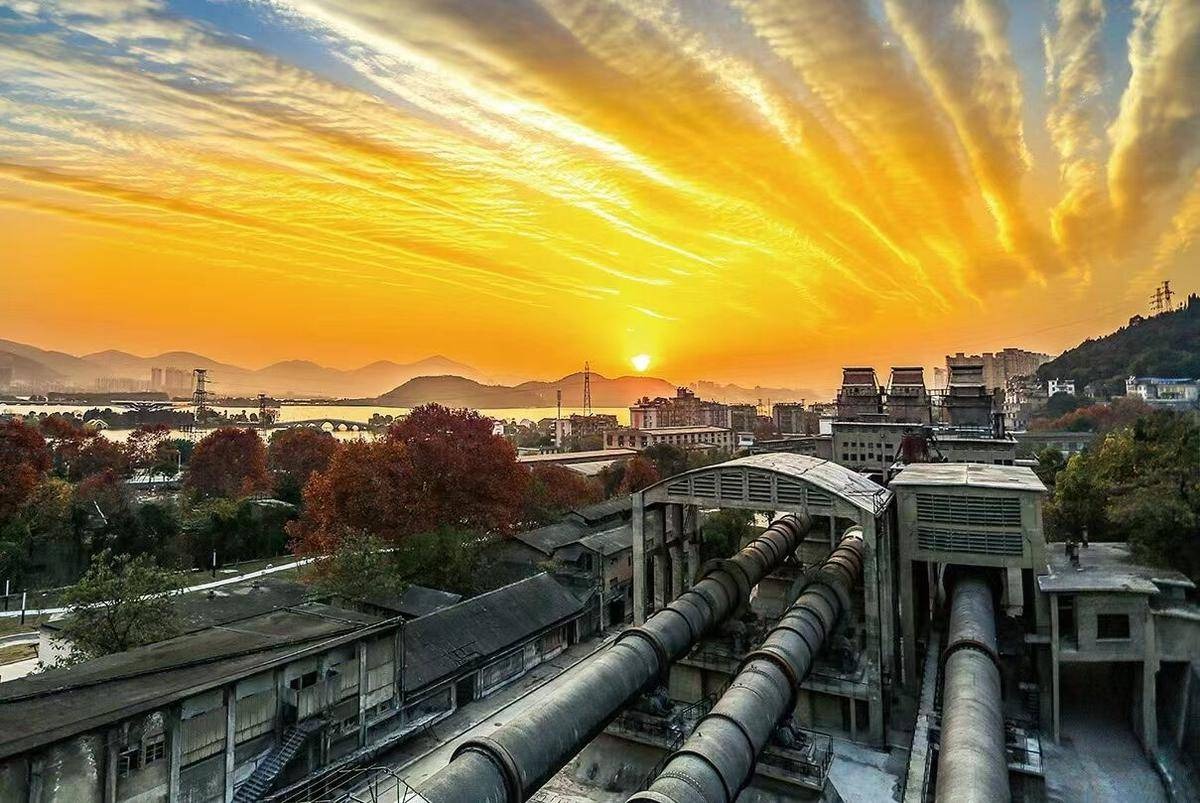
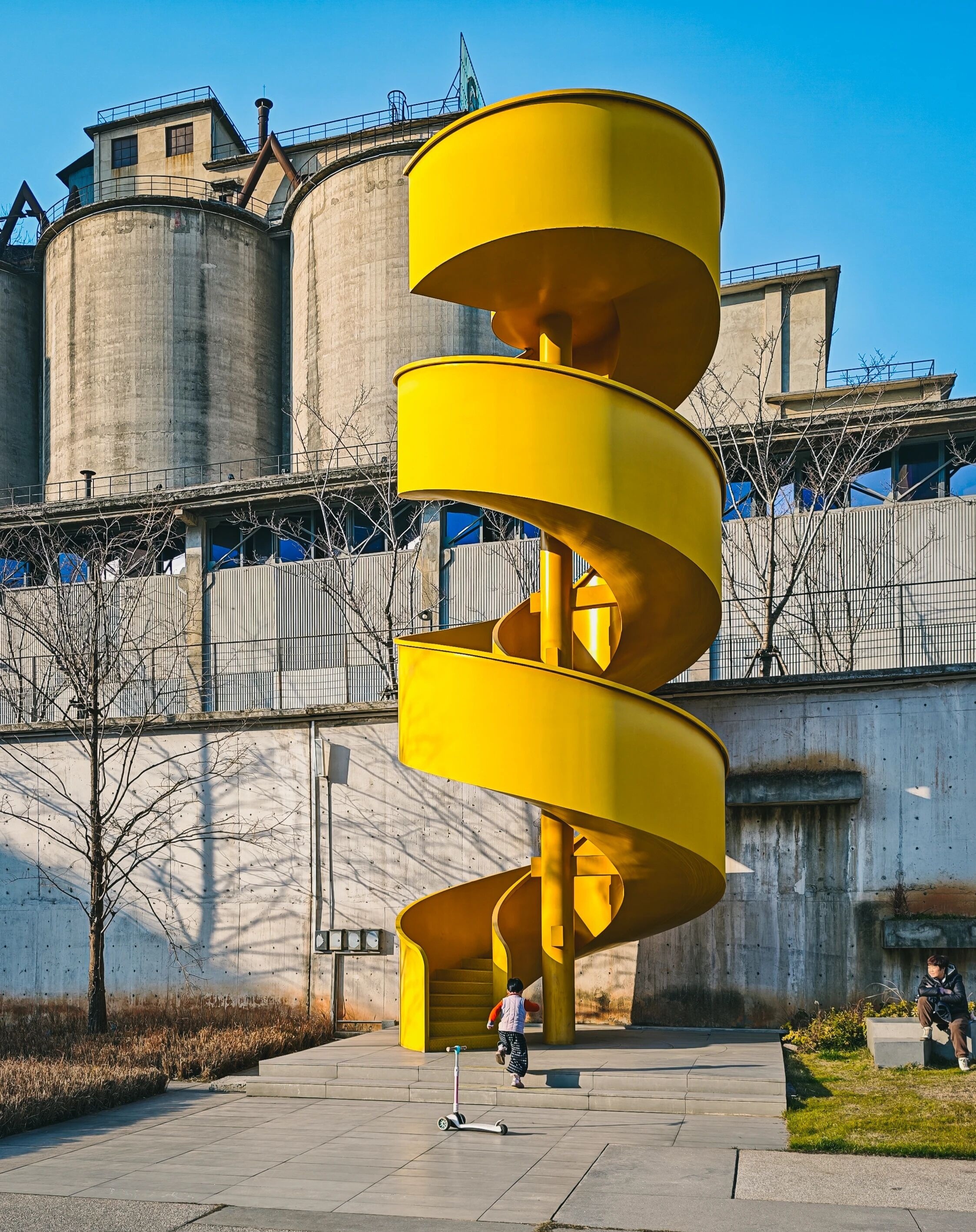
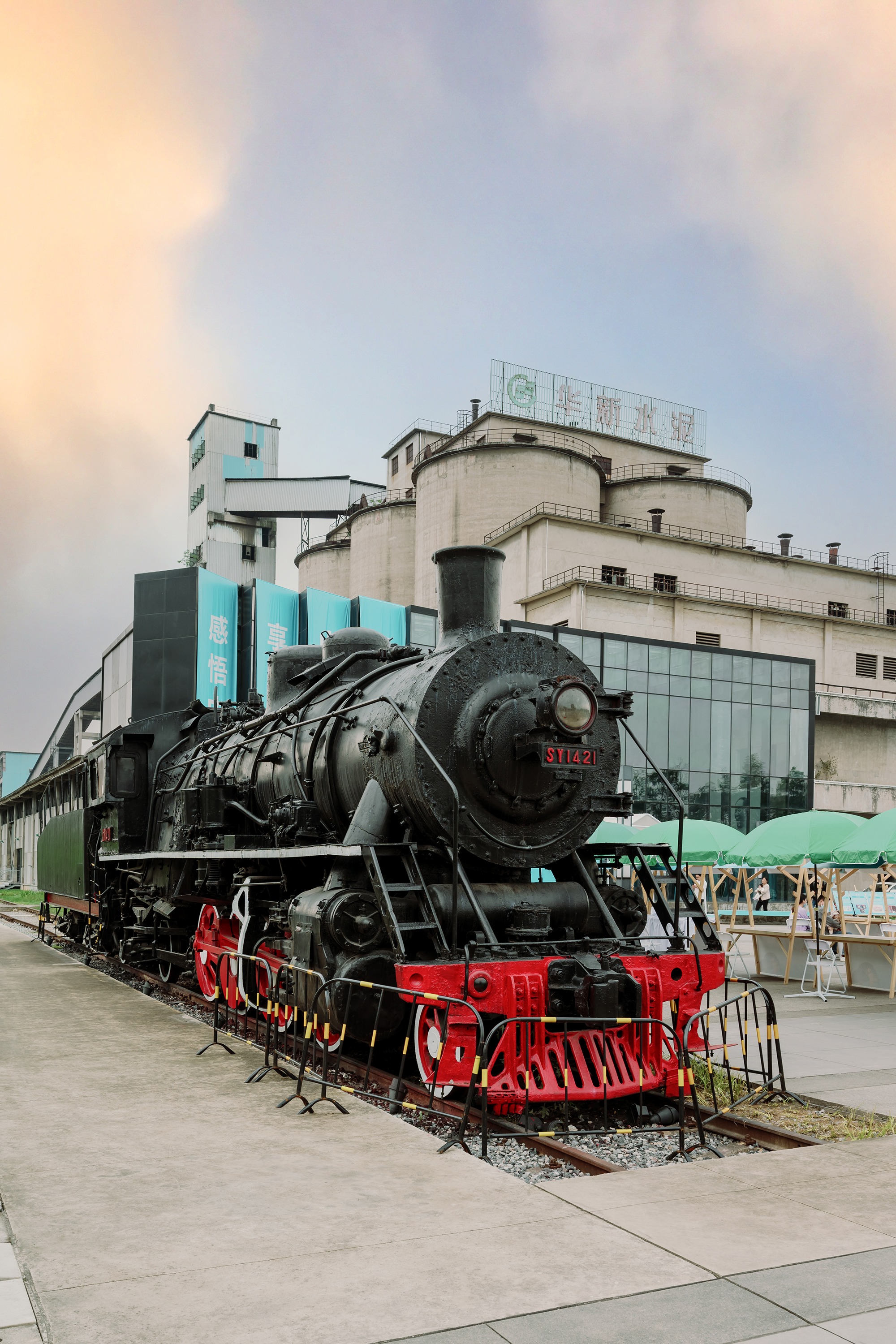
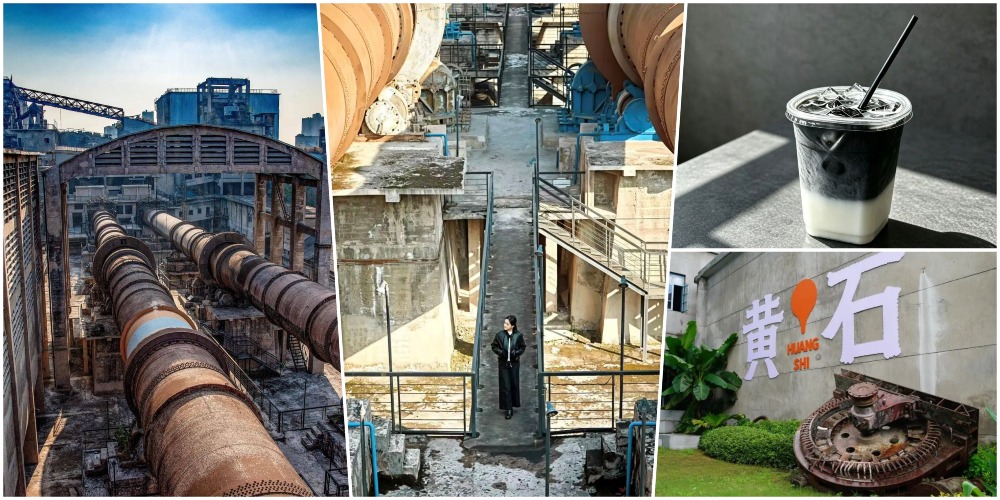
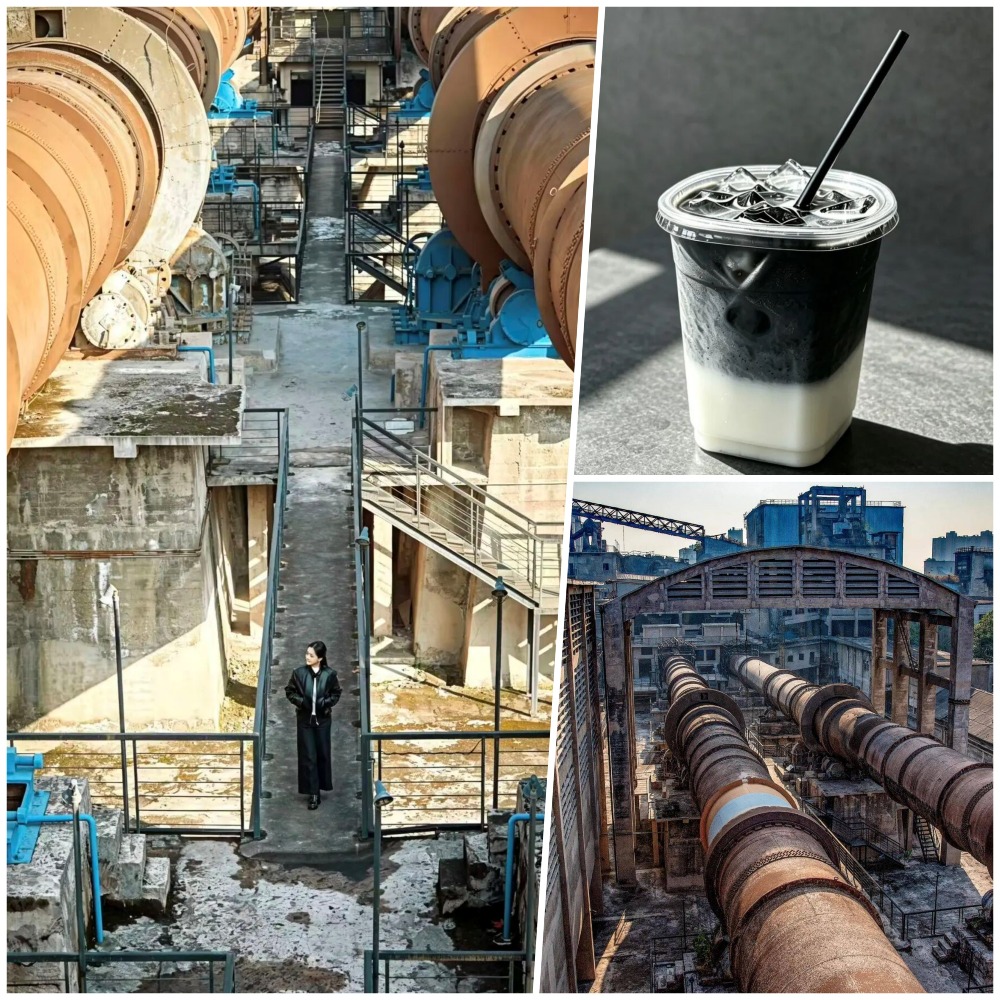
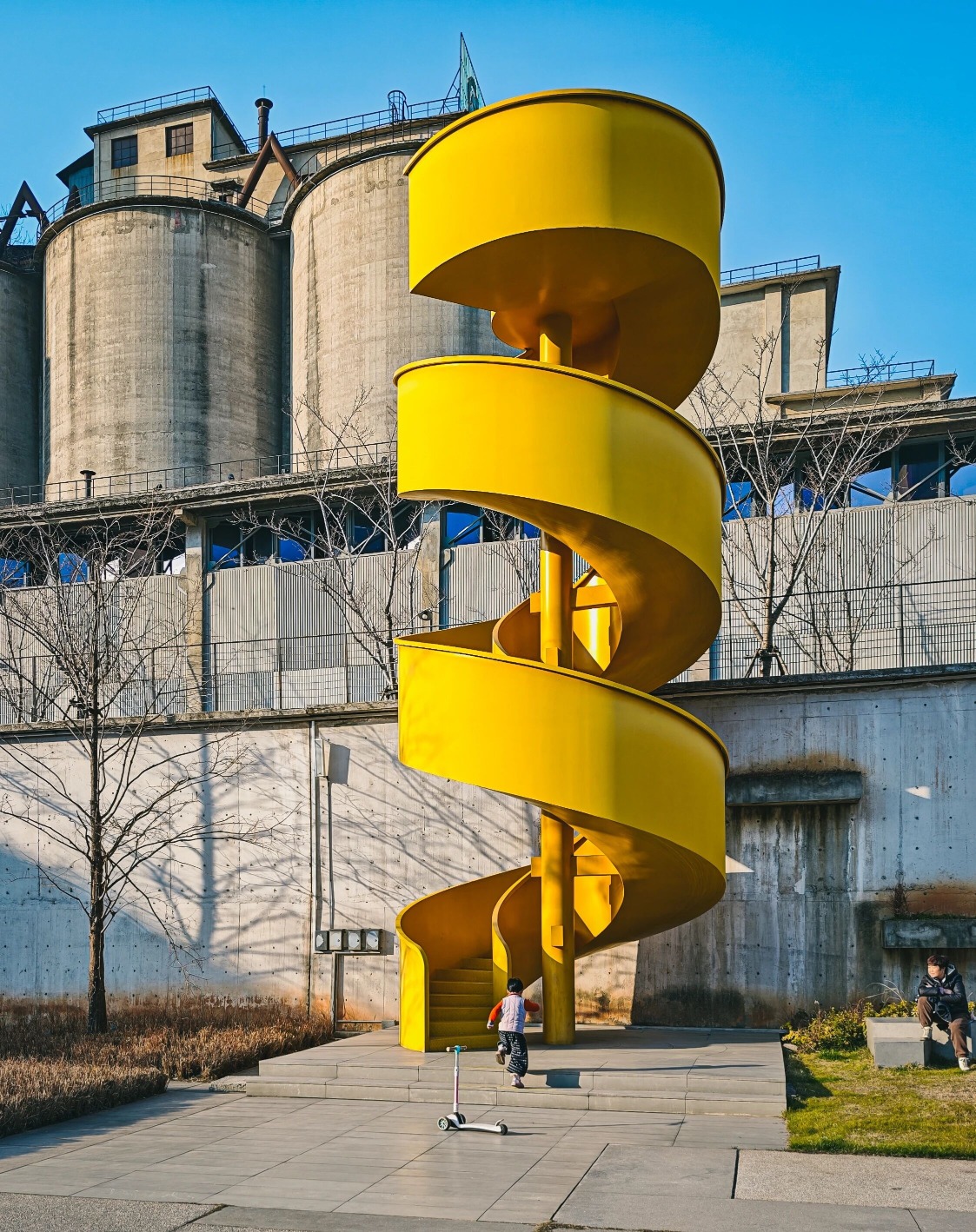
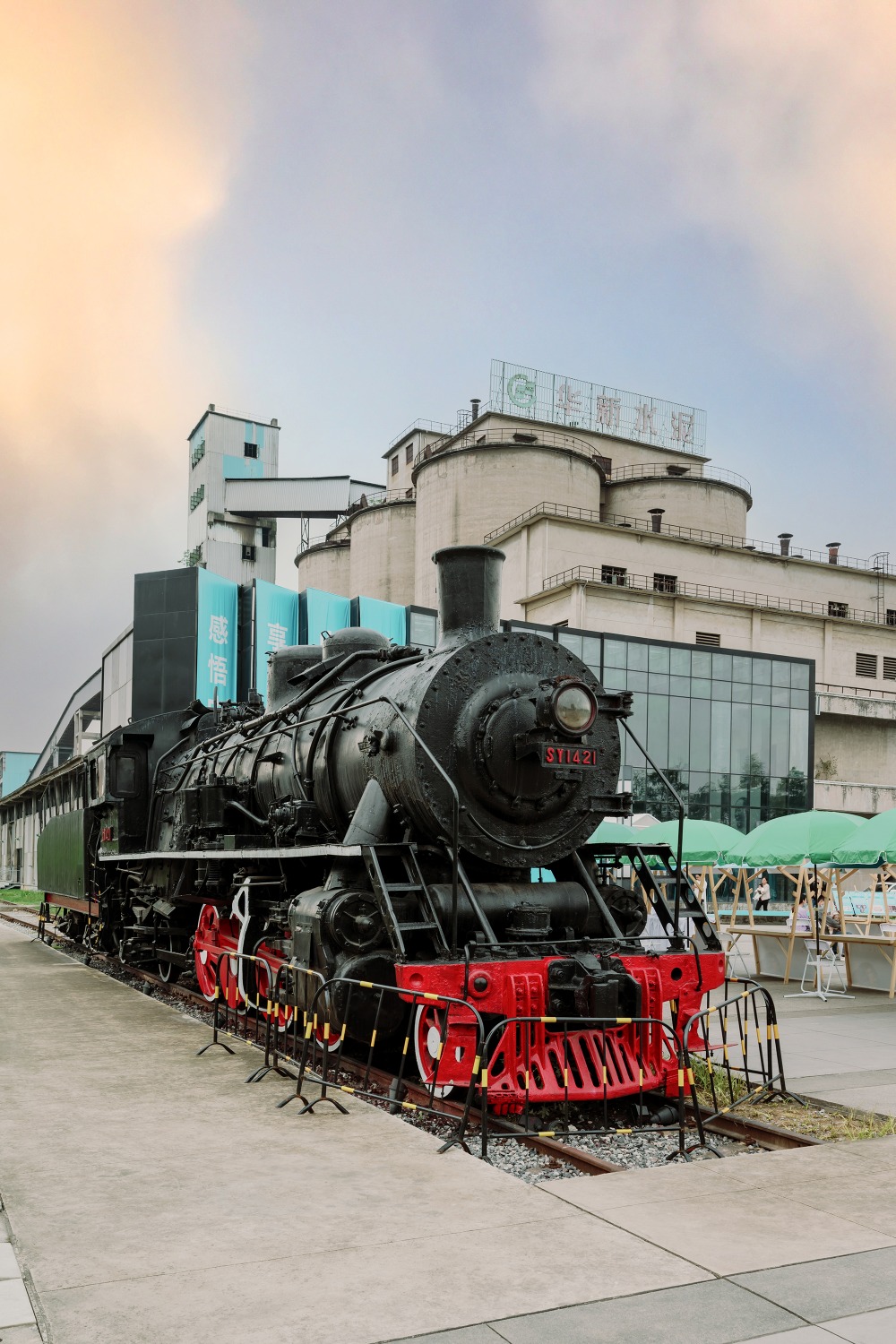
Entering the park feels like stepping into a forest of steel: towering cement kilns, weathered conveyor galleries, overhead steel frameworks, floor-to-ceiling arched windows set in red brick, and a vintage steam train. These once-busy industrial relics now make striking photographic subjects.
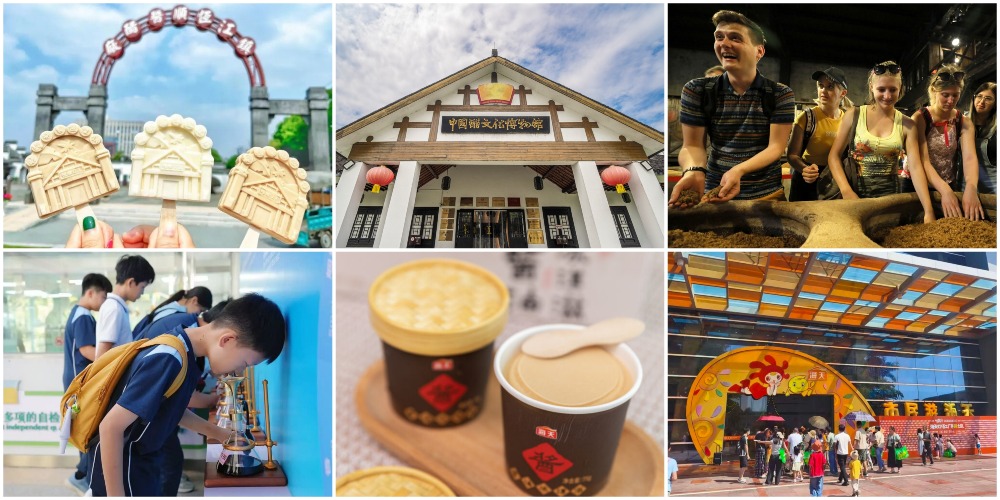
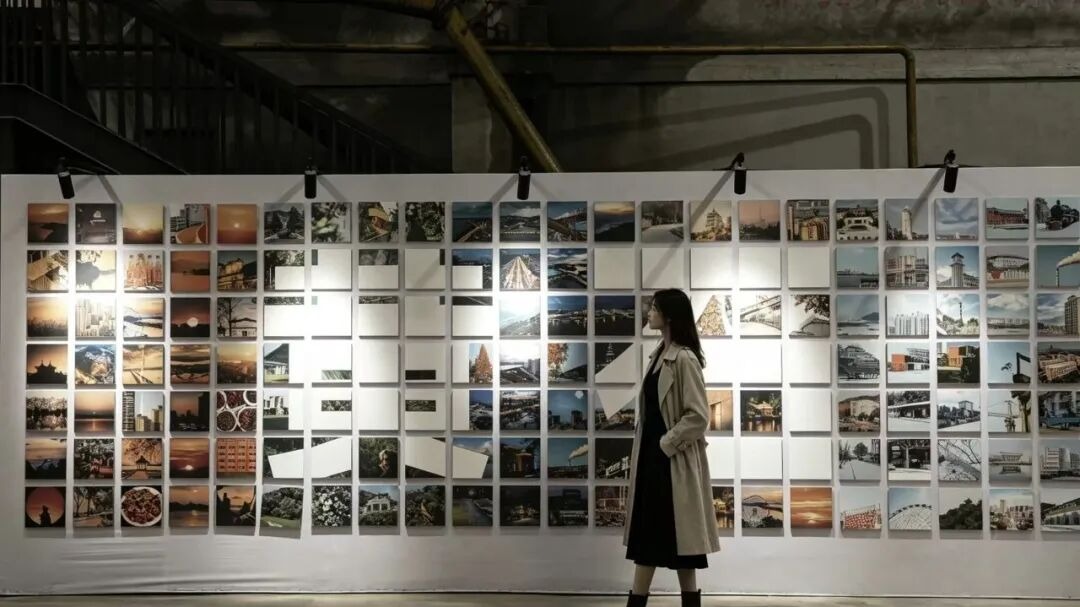
Capture the rugged beauty of the old machinery, explore the cement heritage museum in the former grinding workshop, or wander through elevated conveyor galleries.
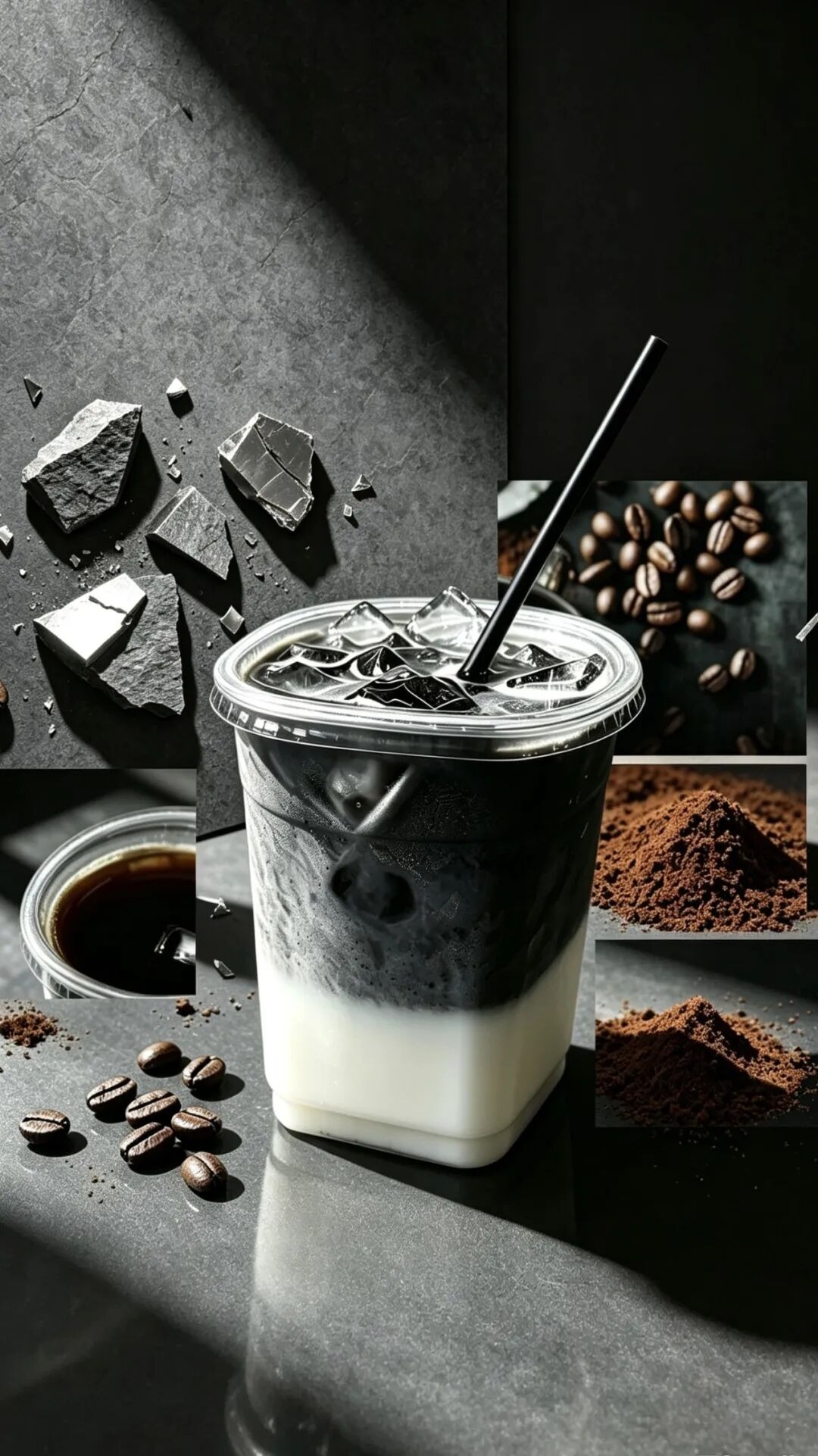
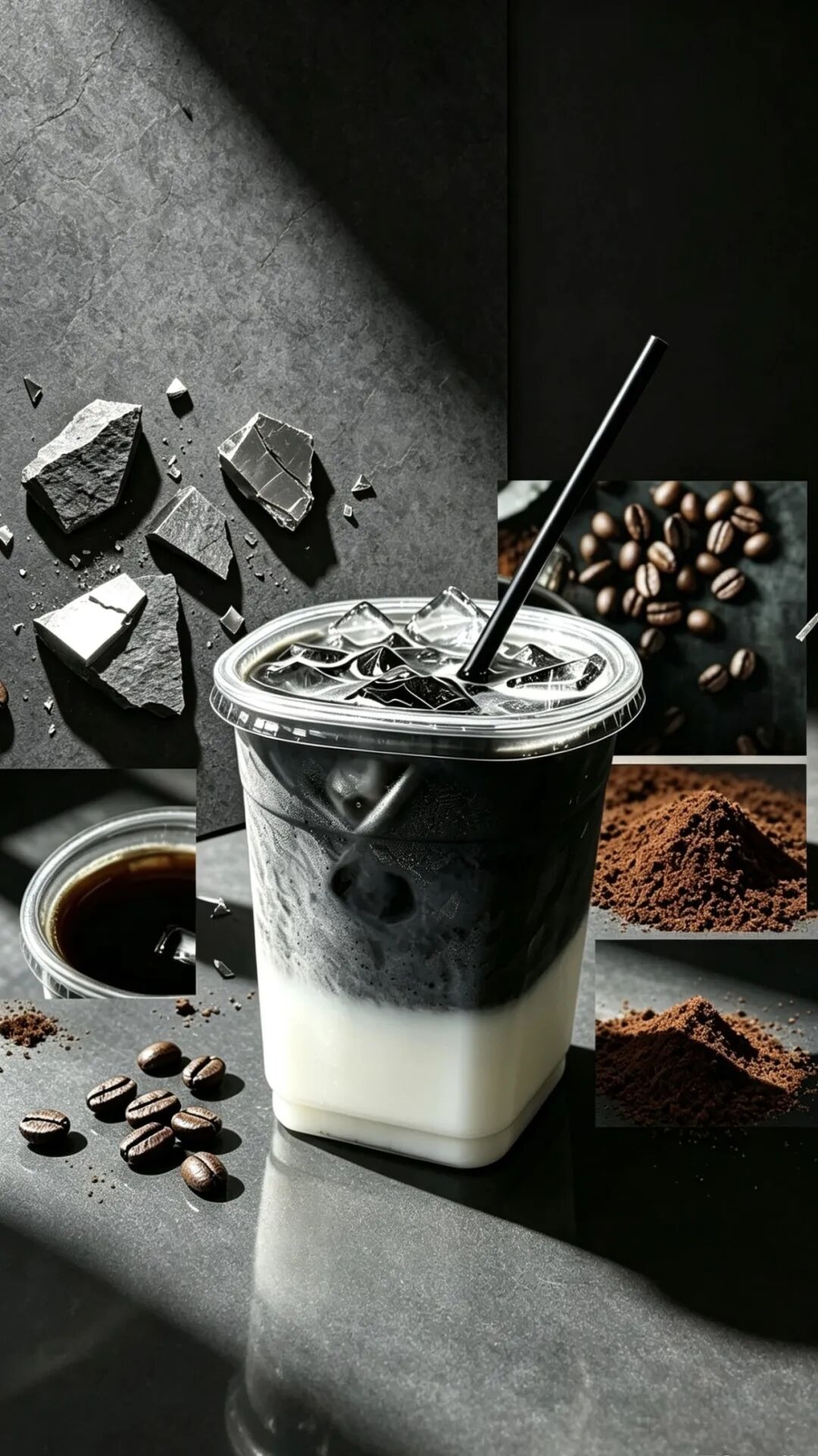
Browse an arts bookshop housed in the former maintenance workshop, then sip a black-and-white "cement coffee".
On holidays, families browse the creative market or pitch tents on the lawn for a leisurely afternoon. After dark, friends gather in cosy bars for conversation and live music with a local flavour.
In its new role, Huaxin 1907 Cultural Park still binds Huangshi together—connecting its historic buildings with a new generation.
From the late Qing to 2007: A century of cement-making in Huangshi
China's reputation as an infrastructure powerhouse rests, quite literally, on cement. As the country built bridges, laid roads and transformed its cities, Huangshi's Huaxin Cement Factory helped lay the foundations of its modern development.
In the late Qing dynasty, the Self-Strengthening Movement spurred modernisation. Officials opened mines, built railways and upgraded military equipment, creating growing demand for cement.
In 1907, Zhang Zhidong, governor-general of Huguang, sought investment for a cement factory in Huangshi to support construction of the Guangzhou–Hankou Railway.
The resulting Daye Hubei Cement Factory, Huaxin's predecessor, was one of China's three earliest modern cement works, alongside Tangshan's Chee Hsin Cement Company and the Guangdong Cement Works.
During the War of Resistance Against Japanese Aggression, the factory dismantled and moved its equipment inland. It was rebuilt at its present Huangshi site in 1945.
The following year, it imported two state-of-the-art wet-process rotary kiln production lines from the United States—today's Kilns Nos. 1 and 2.
With Asia's most advanced technology and largest production capacity at the time, the factory earned Chairman Mao's praise as "the finest in the Far East".
Kiln No. 3, known as the "Huaxin Kiln", was designed and built domestically and began operating in 1977. Its technology was later adopted in more than 20 production lines overseas.
The factory finally "retired" in 2007 after a century of operation. From its late-Qing beginnings to the new millennium, it witnessed the emergence, growth and modernisation of China's cement industry.
China's modernisation accelerated after reform and opening-up. From 1985, it led the world in cement production and consumption for 40 consecutive years.
Bill Gates once highlighted the scale: China used around 6.6 billion tonnes of cement in 2011–2013—more than the US used in the entire 20th century.
From the Great Hall of the People and Wuhan Yangtze River Bridge to the Three Gorges Dam and Hong Kong–Zhuhai–Macao Bridge, Huaxin cement has helped lay the foundations of modern China, both driving and witnessing its rapid transformation.
Read more:
Zhenjiang to Foshan: A journey with a splash of vinegar and soy sauce
Exploring Hefei's trendy Chinese architecture
Inside Beijing's 751 D·Park: Where industry takes on a new look
Beijing's Shougang Park enters vibrant new chapter after Olympics
From farm to glass: A different way to explore Mengniu's milk world