Published : 2026-10-22
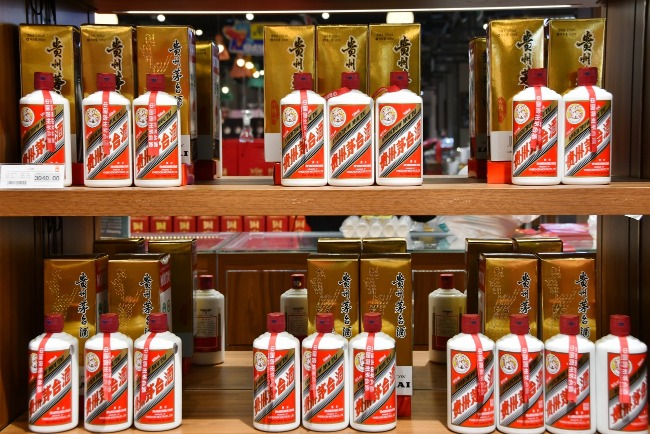
Do you know that the Long March and Chinese liquor Maotai (茅台) have a connection? During the Red Army's Long March in the 1930s, they passed through Maotai Town in Guizhou Province and drank the locally produced Maotai liquor. They even discovered that Maotai had another ingenious use.
Did Red Army drink Maotai liquor during Long March?
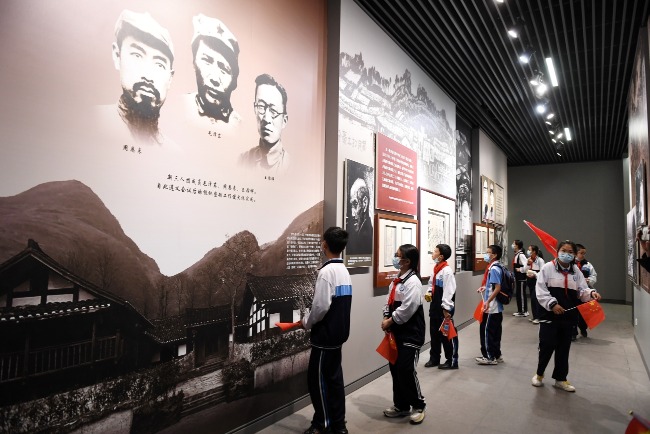
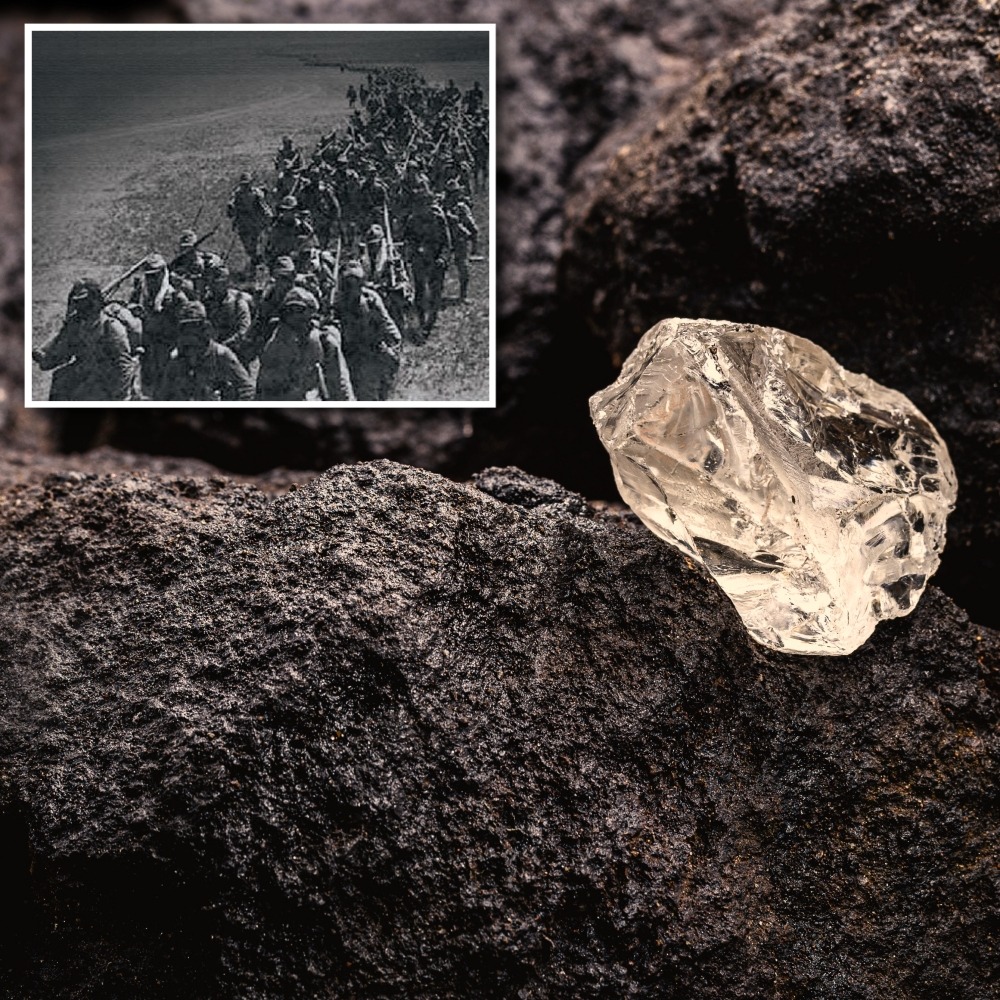
Turning the clock back to late 1934, the Red Army led by the Communist Party of China (CPC), having failed in its Fifth Counter-Encirclement Campaign, evacuated its southern Jiangxi base and embarked on the 25,000-li (12,500 km) Long March.
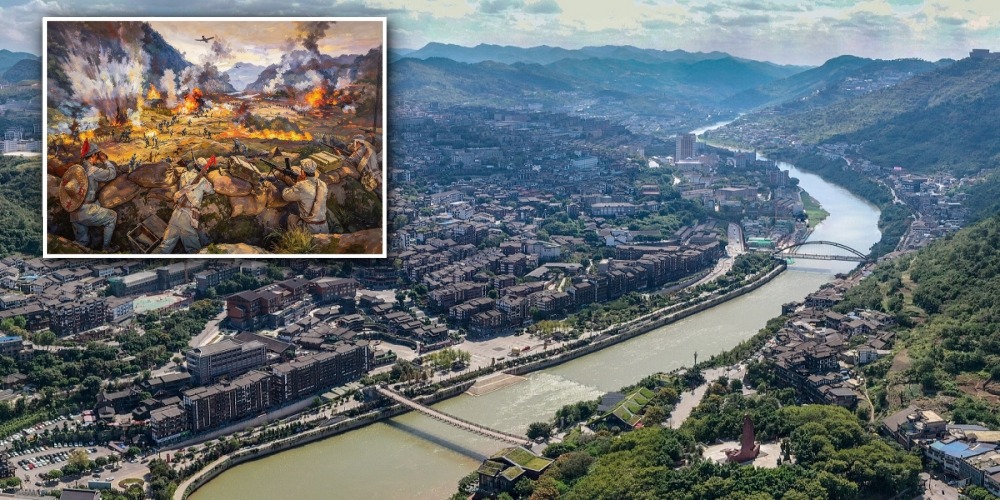
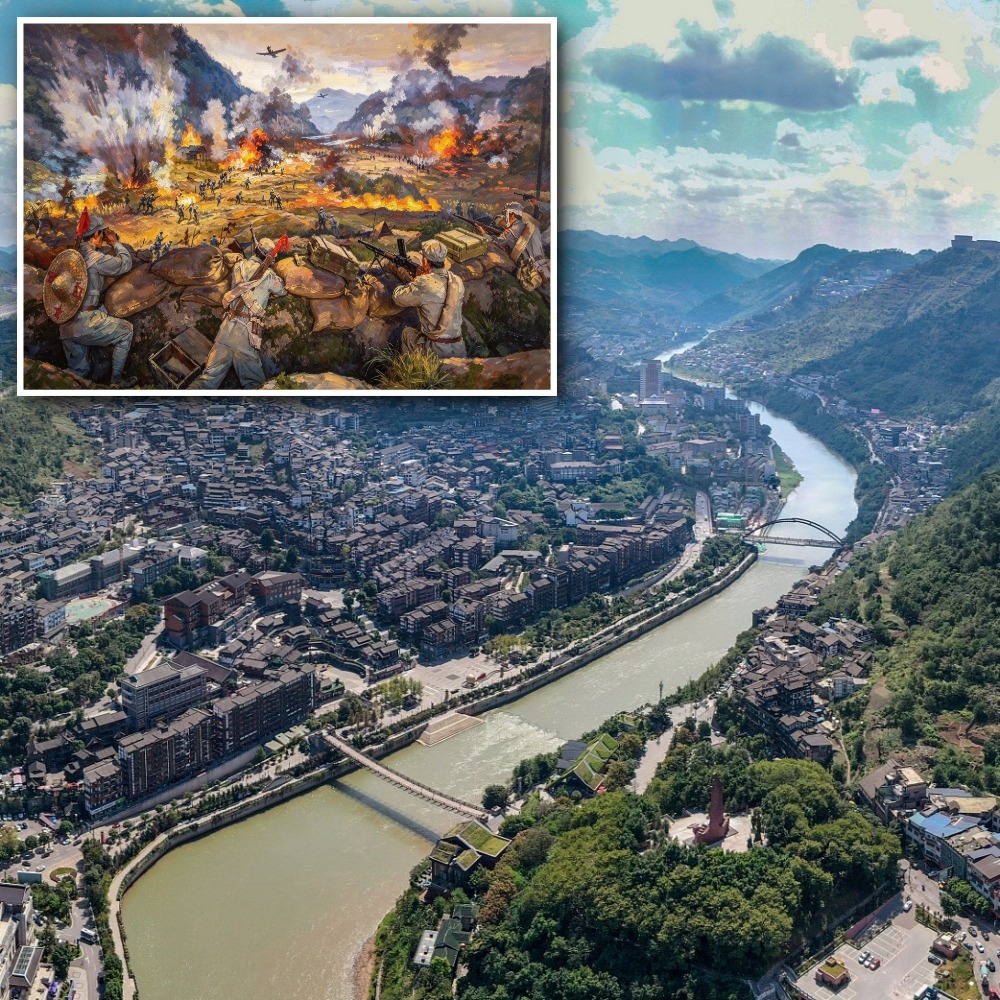
The troops fought their way across northern Guangdong and southern Hunan before entering Guizhou province. After crossing the Chishui River for the second time, on 16 March 1935 they occupied Maotai Town, which was filled with the wafting aroma of liquor.
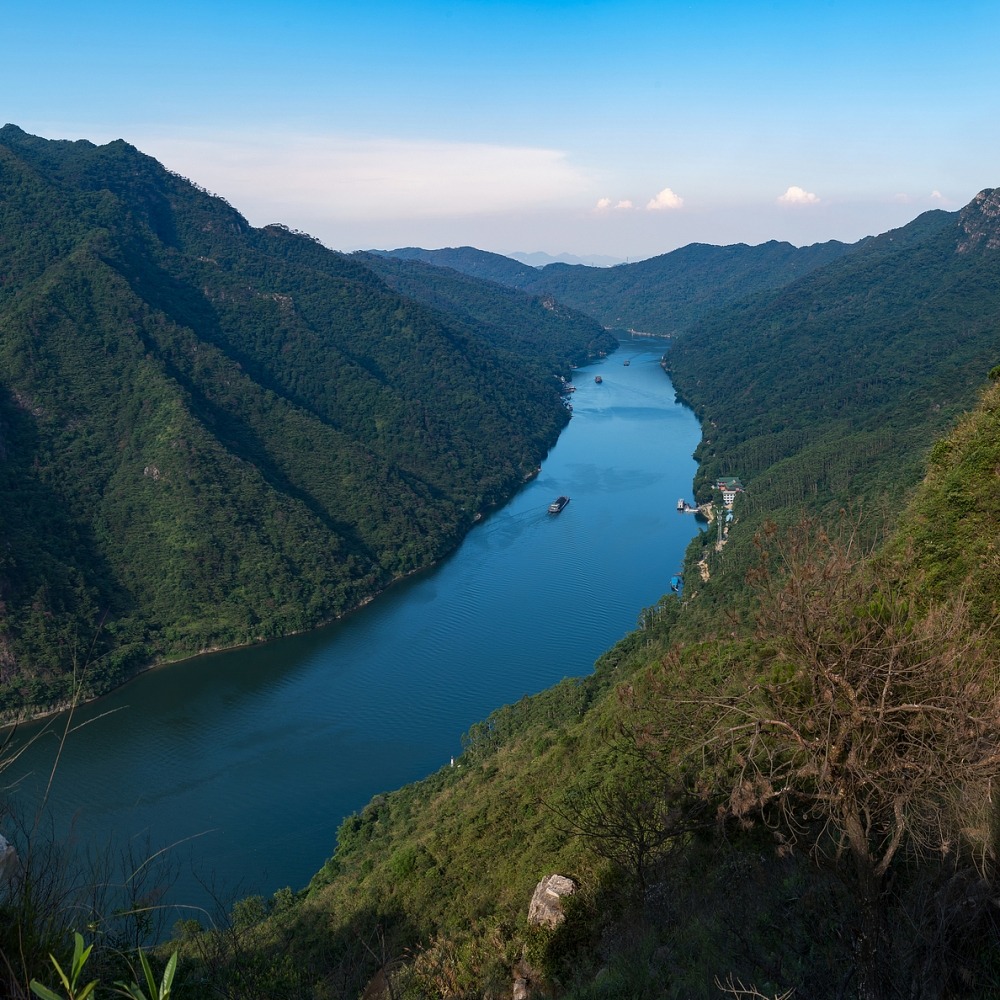
Maotai Town is located on the bank of the Chishui River (赤水河) and has a 2,000-year history of winemaking.
The Chinese liquor Moutai, named after its place of origin, had its production techniques roughly established from the late Ming to the early Qing dynasties. By the mid-Qing dynasty, it was already famous in the southwest China.
Many sources mention that Moutai won an award at the 1915 Panama-Pacific International Exposition in the United States, which made it widely known.
In view of Maotai Town's unique history, culture, and industry, the General Political Department of the Red Army issued a special notice to the soldiers, stressing that "national industry and commerce should be encouraged to develop and are under the protection of our army. The Moutai wine brewed by private enterprises is of good quality, has won an international gold medal in one fell swoop, and brought honour to the people. Our army can only engage in fair trade at the distillery. All equipment, including the stills, cellars, jars, and bottles, must be protected and not damaged".
Did the Red Army buy and drink liquor in Maotai Town? Yes, they did.
Zhou Enlai drank 25 cups of Maotai
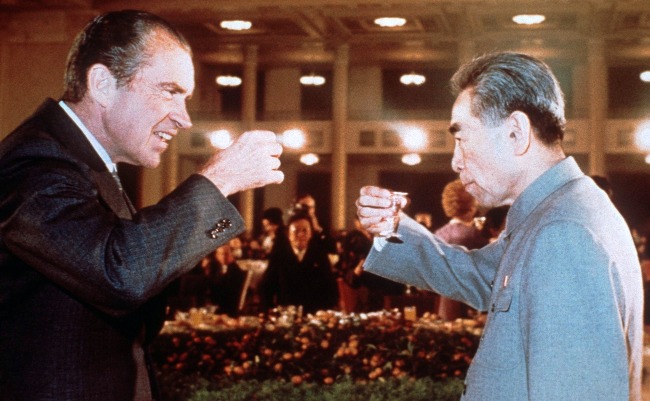
Zhou Enlai (周恩來), the first premier of the People's Republic of China (PRC), participated in the Long March. According to media reports, he once drank 25 glasses of Moutai in cups holding more than 50ml. He has had an indissoluble bond with Moutai ever since.
During the then U.S. President Nixon's visit to China in 1972, Premier Zhou Enlai raised a glass of Moutai to Nixon at the state banquet and recounted this episode.
General Xiao Jinguang (肖勁光) also tasted Moutai at its place of origin.
In his memoirs, he said: "Maotai Town is very small, but Moutai liquor is famous at home and abroad... We tasted this famous liquor. It was fragrant and sweet, refreshing the heart and soul... Some comrades joked, 'If it weren't for the Long March bringing us here, we would never have had the chance to drink Moutai in our lifetime!'"
Besides being drunk, what other uses could Moutai wine have? It may be hard for everyone to imagine now, but back then, Red Army soldiers used Moutai as a medicinal liquor to rub their feet and treat wounds. That's right, to rub feet and treat wounds.
As for the rumour that the Red Army used Moutai liquor to "soak their feet", this is false information. Some scholars believe it very likely originated from a smear campaign by the Kuomintang side.
Red Army soldiers disinfected wounds with Maotai
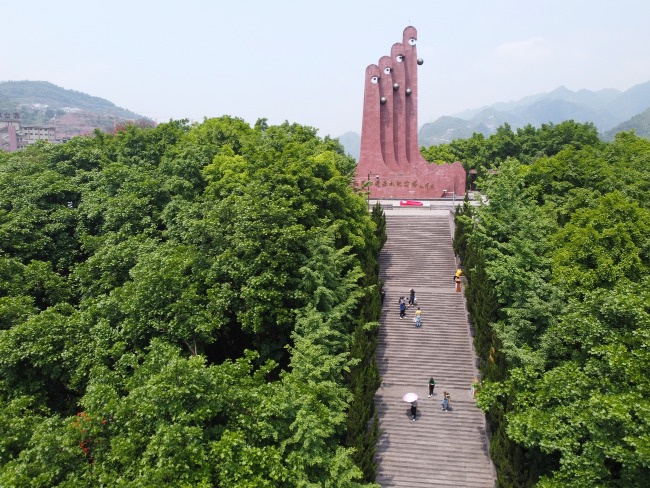
Geng Biao (耿飈), who served in posts including ambassador abroad and Minister of National Defence after the founding of the PRC in 1949, mentioned in his memoir, "Despite the turmoil of war, the commanders and soldiers still bought Moutai liquor from the local villagers. Those who could drink would savour it carefully, while those who could not would put it in their canteens to rub their legs and feet during marches to relieve muscle tension and improve blood circulation."
The educator Cheng Fangwu (成仿吾) said in his memoir: "Some of us originally enjoyed having a few drinks, but because of the urgent military situation, we did not dare to drink much. It was mainly procured to rub our feet to relieve the fatigue of marching, and rubbing feet with Moutai liquor indeed had a miraculous effect, which everyone praised."
At that time, some of the Moutai liquor had a particularly high alcohol content, reaching over 60% to over 70%, so the Red Army also used it to disinfect wounds.
Zhou Enlai's wife, Deng Yingchao (鄧穎超), once said, "Moutai liquor was used in place of mercurochrome and gentian violet to clean soldiers' wounds," and she said, "Moutai liquor deserves great credit for the Red Army's ability to reach Yan'an successfully."
Of course, these "alternative uses" for Moutai liquor only occurred in a special era and under special circumstances. It was an act of helplessness due to the lack of doctors and medicine, and everyone was well aware of the preciousness of Moutai liquor.
Maotai designated as the state banquet liquor
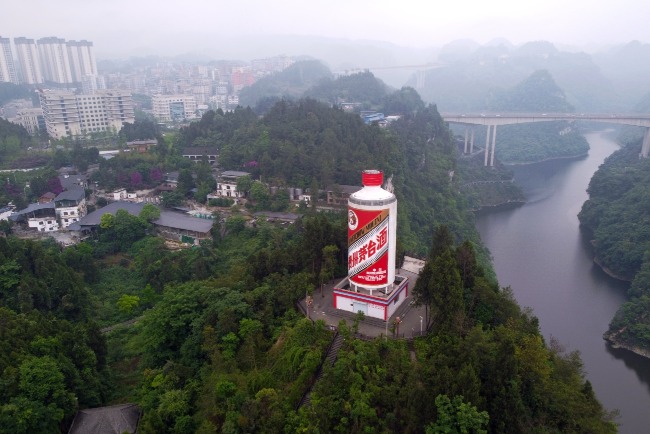
After the founding of the PRC, Moutai liquor was designated as the state banquet liquor and its fame grew daily. The aforementioned historic toast between Zhou Enlai and Richard Nixon made Moutai liquor world-famous.
After the 1980s, China stopped using strong spirits at state banquets, but this did not damage the status of Moutai liquor in people's minds.
The Red Army's stay in Maotai Town was very short, only two days. On 17 March 1935, the troops left the area for the "third crossing" of the Chishui River and to continue the Long March, never returning.
More than half a century has passed, and what is the situation in Maotai Town today?
Maotai Town is currently under the jurisdiction of Renhuai (遵義), a county-level city of Zunyi (遵義), with a permanent resident population of over 60,000. Its absolute pillar industry remains liquor, and it is reported that there are over 1,000 local distilleries plus small workshops.
It is important to note that, according to current regulations, only liquor produced within the specific protected production area in Maotai Town can be called "Moutai liquor".
After mergers in the 1950s, there is now effectively only one distillery within this protected area. Liquor produced by other local distilleries, regardless of quality, can only be called "Maotai Town Liquor" or use other names, which is very different from the situation when the Red Army "bought Moutai liquor from the locals".
Maotai Tow, the only "Top 100 Town" in western China
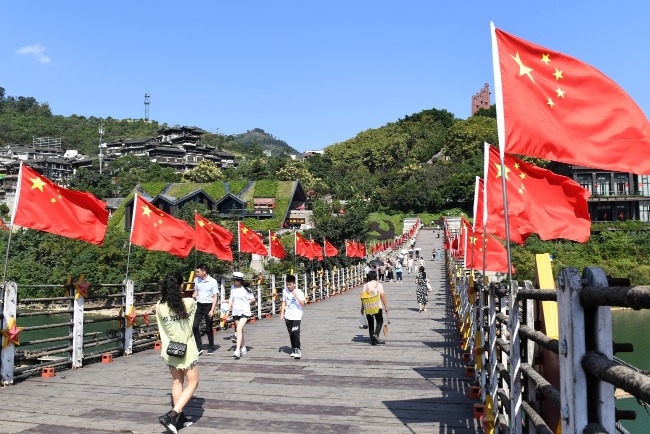
Because of its developed liquor industry, the economic scale of Maotai Town has reached the hundred-billion RMB level, higher than many other Chinese city-level administrative regions.
In 2023, its GDP per capita exceeded 1.2 million RMB, about six times that of Shanghai and three times that of Hong Kong.
Maotai Town is currently one of China's "Top 100 Towns" and is also the only "National Top 100 Town" in the vast western region of China.
Finally, a word on the Chishui River.
Originating in Yunnan Province and with a total length of over 500 kilometres, this river is home to top-tier fine liquors such as Moutai liquor, Xijiu (習酒) from Guizhou Province, and Langjiu (郎酒) from Sichuan Province, earning it the name "River of Fine Liquor".
Why are there so many fine liquors on the banks of the Chishui River?
Experts believe that it is related to the quality of the river water used for brewing, the unique "microclimate" in the river valley, and the high-quality crops for brewing produced nearby.